How Game Music Inspires Fan Compositions and Remixes
10 January 2026
When you hear the opening notes of Zelda’s Lullaby or that iconic Mario Bros. theme, something stirs inside, right? It’s not just nostalgia—it’s inspiration. Game music does more than just set the tone for epic boss battles or emotional cutscenes. It connects with us on a deeper level. And for many gamers and musicians out there, it sparks creativity in a big way. Welcome to the magical world where original game soundtracks (OSTs) become fuel for fan-made compositions and remixes.
In this article, we’re diving into how game music influences fans to pick up instruments, open their DAWs (Digital Audio Workstations), and start remixing and reimagining the music we all grew up loving. Whether you're a die-hard gamer, an aspiring composer, or someone who simply vibes hard with lo-fi Pokémon remixes, there's something here for you.
The Power of Game Music: More Than Just Background Noise
Let’s face it, video game music doesn’t always get the credit it deserves. We often hear it while dodging enemy fire or exploring lush fantasy worlds, but it’s doing so much more than just playing in the background.In fact, game music is often as emotionally impactful as film scores—sometimes even more so because of the interactive element. You're not just watching a story unfold; you're living it. And the music? It reacts to what you do. It grows with you. For many fans, those digital melodies become the soundtracks of their childhoods.
Nostalgia Plays a HUGE Role
Ever hear a tune from an old game and instantly find yourself back in your childhood room, controller in hand, yelling at your sibling for screen-peeking in GoldenEye 007? That’s nostalgia at work. And nostalgia is a potent trigger for creativity.It’s no accident that many remixes are born out of older games. Composers feel a personal connection to these tunes, and reinterpreting them is like writing a love letter to the games that shaped their youth.
Fan Compositions vs Remixes: What’s the Difference?
Okay, let’s clear this up real quick.- Fan Compositions are original works inspired by a game or its soundtrack. Think of them as music that could exist in that game world, but wasn’t actually part of the original OST. A fan might write new music for an imagined level in Undertale, for example.
- Remixes, on the other hand, take existing game music and rework it. This could mean adding modern beats, switching genres, or creating orchestral versions of chip-tune melodies.
Both are forms of musical tribute. One invents something fresh from the same emotional palette; the other reimagines what already exists.
Why Do Fans Remix and Compose?
So, what makes someone dedicate hours (or days!) to crafting a Sonic remix or writing an original ballad for Final Fantasy? It all comes down to passion—and a few other powerful motivators.1. Emotional Connection
The deeper the emotional bond with a game, the more likely fans are to revisit its music. It’s like comfort food. Remixing a familiar tune from Chrono Trigger feels like catching up with an old friend.2. Artistic Expression
Remixing a game track allows musicians to showcase their style. You can take a haunting Silent Hill melody and turn it into a jazz lounge piece. Sounds crazy? Maybe. But that's the point—it's about expressing personal taste and talent.3. Fan Culture and Community
There’s a MASSIVE online community for this stuff. From Reddit forums to dedicated platforms like OC ReMix, fans share, critique, and celebrate each other's work. For many, it’s about being part of something bigger.4. Skill Development
Need a playground for honing your musical chops? Game music provides ready-made melodic and harmonic ideas. By remixing or composing in a game-inspired style, artists can practice arrangement, mixing, and instrumentation.
Popular Platforms and Communities for Game Music Remixing
If you're wondering where all this music ends up, here are a few hotspots where fan-made game music thrives:🎧 OC ReMix (OverClocked ReMix)
This is one of the oldest and most respected sites in the scene. With thousands of high-quality fan submissions, it's a goldmine of creativity and talent. Whether it's jazz Mega Man or EDM Metroid, it's all here.🎮 YouTube
YouTube is dripping with fan-made game music. Type in "Zelda remix" or "Lo-fi Mario Kart," and you’ll be swimming in playlists that could easily replace your Spotify rotation.🎶 SoundCloud & Bandcamp
These platforms allow artists to release full albums of remixes and original compositions. Some even get licensed, turning fan work into commercial success.💬 Discord & Reddit
Niche communities come together to talk shop, share tutorials, and collaborate on remix projects. Places like r/gamemusic or specialized Discord servers are treasure troves for both learning and networking.Genre Bending: Reimagining Game Music in New Styles
What’s really fun about this scene is seeing how far some fans stretch the boundaries of game music. You’ve got:- Orchestral remakes of 8-bit classics
- Chiptune covers of modern AAA blockbusters
- Lo-fi hip-hop loops of RPG battle themes
- Metal versions of sweet, innocent menu music (yes, really)
It’s like putting a game soundtrack in a musical blender—and somehow getting something even tastier out of it.
Tools of the Trade: How Fans Craft Their Own Tunes
While some fans are classically trained musicians, many are self-taught and rely heavily on software. Here’s what you’ll frequently find in their digital toolkits:Digital Audio Workstations (DAWs)
Think of these as your musical command center. Popular choices include:- FL Studio
- Ableton Live
- Logic Pro X
- Reaper
Each DAW has its quirks, but they all let users compose, mix, and master tracks.
VSTs and Plugins
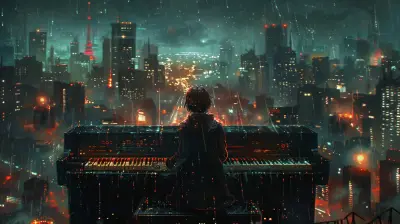
Want to make your piece sound like it was recorded in Hyrule? There’s probably a VST for that. Plugins allow you to mimic instruments, synthesize sounds, and manipulate audio in endless ways.MIDI Controllers
These are keyboards or pads that make it easier to “play” instruments digitally. They're especially useful for piano-driven or orchestral remixes.Iconic Games That Spark Creative Fires
While all games have the potential to inspire, some franchises are remix magnets. Let’s take a look at a few of the top contenders:🎮 The Legend of Zelda
Koji Kondo’s compositions have been remixed thousands of times. From serene overworld themes to intense dungeon tracks, Zelda soundtracks are ripe with remix potential.🧪 Undertale
Toby Fox created a soundtrack that feels like a character all its own. Its emotional range makes it a fan-favorite for reinterpretation.🌃 Final Fantasy
Nobuo Uematsu is practically a rockstar in the game music world. His sweeping compositions from the Final Fantasy series are a go-to for orchestral and metal remixes alike.🚗 Mario Kart & Mario Series
Upbeat, catchy, and instantly recognizable, Mario music is like playground equipment for musicians. You can swing on it, spin around, and make something totally new.How Developers and Publishers Are Embracing Fan Music
Here’s the cool part: game devs and publishers aren’t just tolerating this movement—they’re encouraging it!Games like Celeste and Undertale have officially recognized fan remixes. Nintendo even opened up to streaming game music (finally). Some publishers have gone a step further by including fan remixes in re-releases or allowing them at game-themed concerts.
And let’s not forget indie games like A Hat in Time, which invited composers to contribute alternate music for in-game areas. The line between fan and professional is blurrier than ever—and we LOVE that.
Challenges and Legal Considerations (Yeah, We Gotta Talk About It)
Not everything is sunshine and 8-bit rainbows. Fan composers often walk a tightrope balancing creative freedom and copyright restrictions.Copyright and Licensing
Most game music is owned by big publishers. So technically, remixing it without permission could lead to takedowns or demonetized YouTube videos. But many companies have informal policies that are remix-friendly—especially if the work is non-commercial.Monetization
Want to release your remix on Spotify? You’ll need mechanical licenses or permissions from the original rights holders. Services like Loudr or Soundrop can help with this, but it's still a bit of a maze.Final Thoughts: Music That Lives On Through Fans
Game music is more than just notes and rhythms—it’s a living, breathing part of gaming culture. And thanks to the creativity of fans around the world, it’s constantly evolving.Whether it’s a remixed Donkey Kong Country soundtrack playing in your headphones or a fully orchestrated Skyrim medley performed live, game music continues to leave its mark. It lives on—not just in our memories, but also in every remix, reinterpretation, and reimagined melody crafted by fans who fell in love with the music first.
So next time you hear a familiar tune from your favorite game, ask yourself: What could you make out of that?
all images in this post were generated using AI tools
Category:
Game SoundtracksAuthor:
Audrey McGhee
Discussion
rate this article
3 comments
Rachel Wilkins
Game music not only enhances the gaming experience but also fuels creativity, inspiring fans to create unique compositions and remixes that celebrate their favorite titles.
March 22, 2026 at 4:34 AM
Audrey McGhee
Absolutely! Game music sparks creativity and fosters a vibrant community of fans who express their passion through unique compositions and remixes.
Mateo Wilkerson
Excited to hear creative mashups!
January 17, 2026 at 4:51 PM
Audrey McGhee
Thank you! I'm excited to share how game music sparks such amazing creativity!
Noah Middleton
Game tunes: where fandom and creativity hit the high score!
January 15, 2026 at 6:08 PM
Audrey McGhee
Absolutely! Game music sparks creativity and unites fans, leading to incredible compositions and remixes that celebrate the original scores.