From Chiptunes to Live Orchestras: A Musical Journey
16 August 2026
Video games and music go together like peanut butter and jelly. From the simple blips and bloops of early gaming days to the sweeping symphonies of modern titles, music has always been a silent hero in shaping our gaming experiences. But how did we get from robotic-sounding beeps to full-blown orchestras that can give Hollywood a run for its money?
Let’s buckle in and go on a passionate ride through the history of game music — from humble beginnings to epic soundtracks that bring tears to our eyes.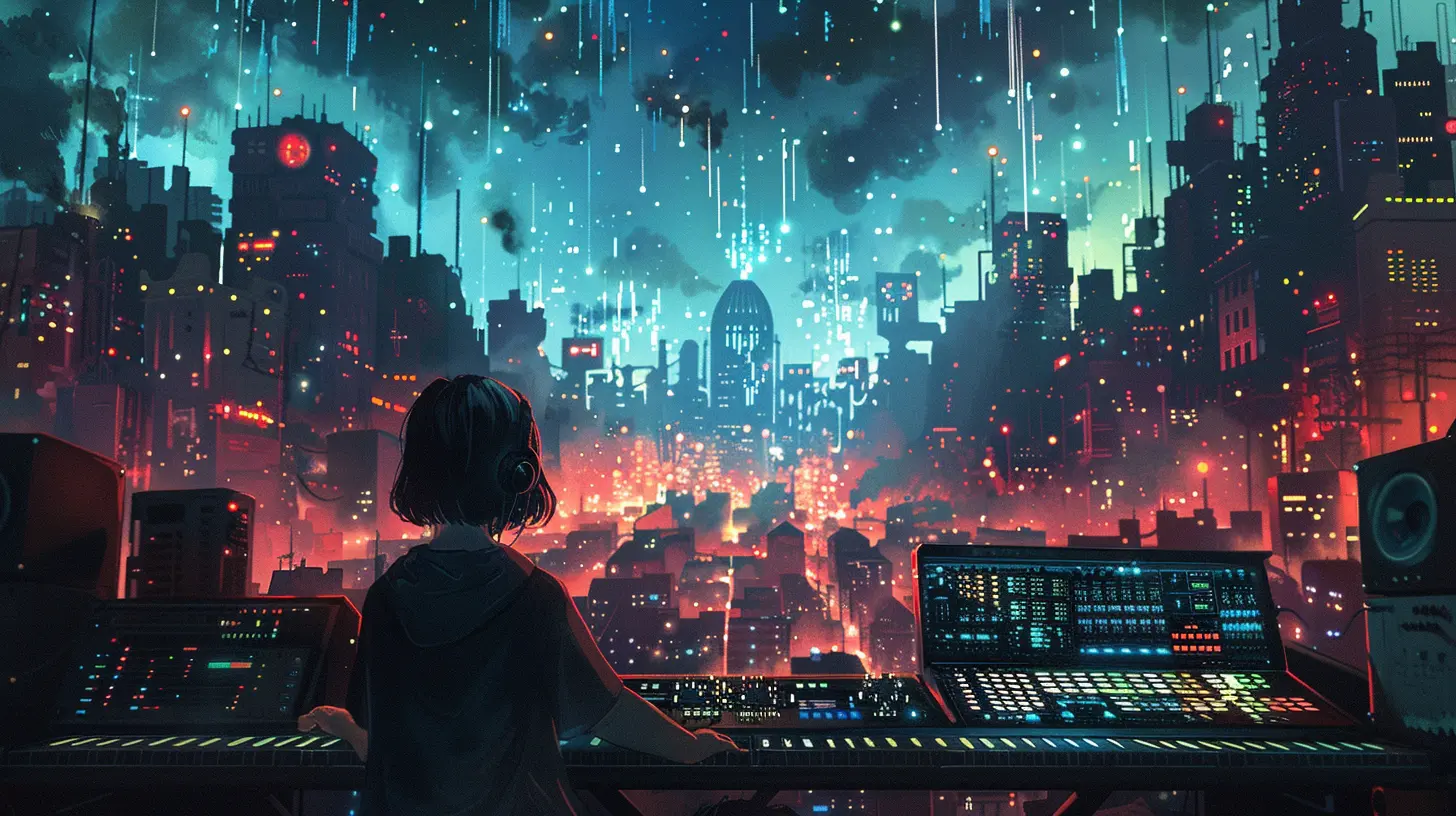
The 8-Bit Era: Where It All Began
Back in the late '70s and early '80s, video game music wasn’t exactly... music. At least, not in the traditional sense. Game developers had limited hardware to work with. We’re talking about just a handful of sound channels and minimal storage space.These restrictions gave rise to chiptunes, a genre built on synthesized sounds created by sound chips (hence "chip-tunes"). You’ve definitely heard them before — think of the original Super Mario Bros. theme or the Pac-Man waka-waka sounds. Iconic, right?
Chiptunes were catchy, simple, and repetitive — not because composers lacked creativity, but because the hardware couldn’t handle anything more complex. And yet, even with such rigid limitations, early composers like Koji Kondo (Super Mario Bros., The Legend of Zelda) made tunes that are still instantly recognizable decades later.
Why Were Chiptunes So Iconic?
Well, they had to be. With pixelated graphics and minimal storytelling, music carried a lot of the emotional weight. It told you when to hurry, when to fight, and when you were in danger. It was the unsung narrator of the game. Plus, since sound loops would play endlessly during gameplay, they had to be memorable enough not to drive you crazy.
The 16-Bit Revolution: More Power, More Music
As technology improved, the 16-bit era brought with it a wave of richer, fuller sounds.Consoles like the Super Nintendo (SNES) and Sega Genesis introduced new sound chips that allowed for more complex compositions. This meant bigger, bolder music. Suddenly, game music could have drum beats, guitar riffs, and even simulated orchestral elements.
Games like Final Fantasy VI, Chrono Trigger, and Donkey Kong Country pushed the envelope. Nobuo Uematsu’s lush compositions in Final Fantasy started to feel more like movie scores than video game loops. And trust me, if you’ve heard “Terra’s Theme,” you know how emotionally stirring this music became.
Home Stereo Worthy
This era marked the first time players started recording game soundtracks onto cassette tapes to listen outside of gameplay. Imagine cruising down the street listening to the Mega Man X soundtrack. It became a badge of honor to say, “Yeah, I listen to video game music — and it slaps.”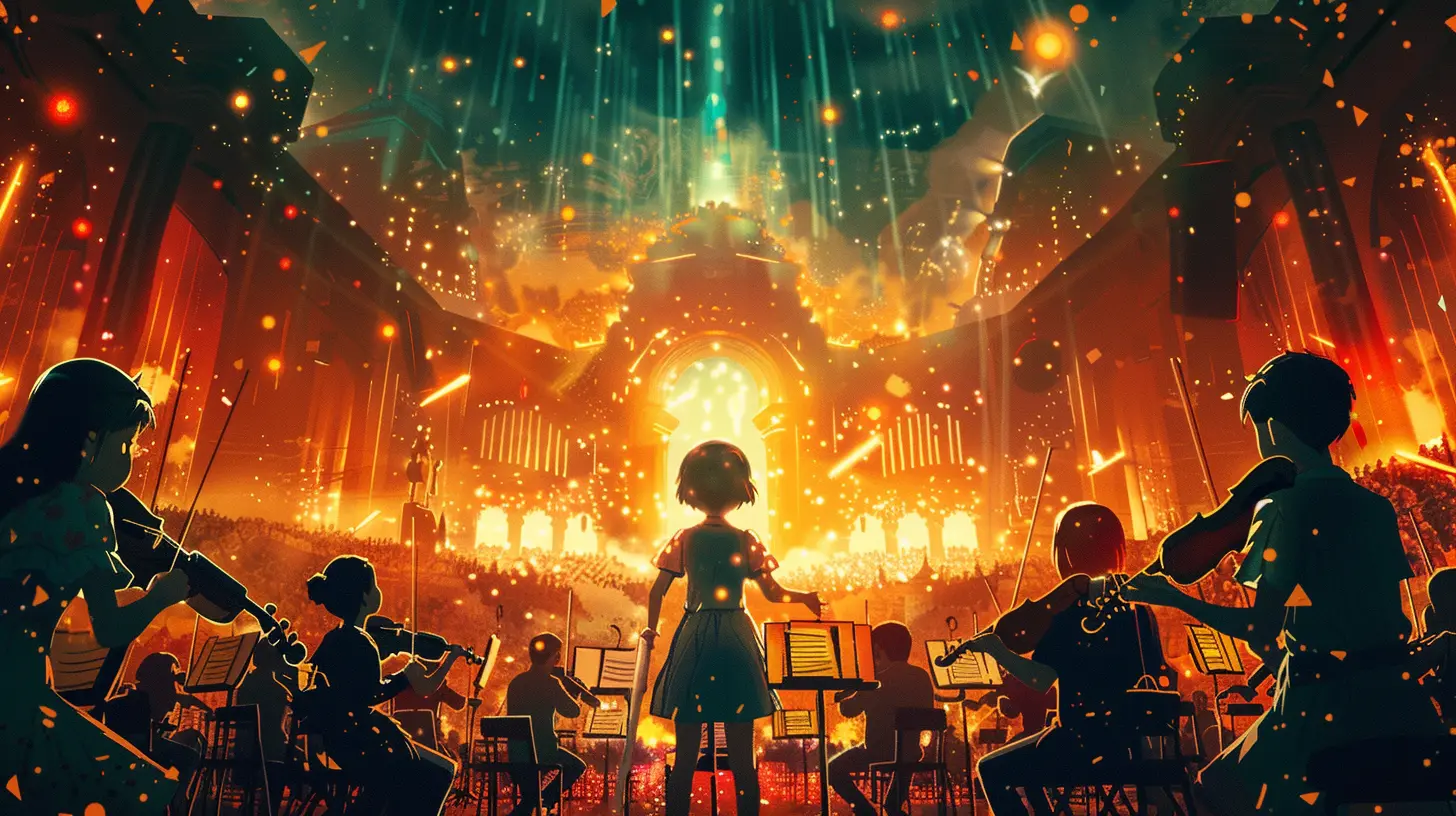
CD-ROMs and the Dawn of Real Instrumentation
Enter the late ‘90s. Sony’s PlayStation changed the game (pun intended) by introducing CDs, which meant way more storage. And with that came the ability to include real, recorded audio instead of synthesized notes.Now we were hearing actual orchestras, real singers, and high-fidelity soundtracks in games like Final Fantasy VIII, which gave us the unforgettable “Eyes on Me,” or Metal Gear Solid, with its heart-pounding cinematic score.
Even games that weren’t purely orchestral used CD technology to incredible effect. Think Tony Hawk’s Pro Skater, which blasted punk tracks and hip-hop through your TV — practically turning your console into a mixtape.
The Rise of Adaptive Music
One of the coolest evolutions in game music was its newfound ability to react to gameplay.We started seeing dynamic (or adaptive) soundtracks that changed based on what was happening. If you were sneaking around quietly, the music would creep along with you. Get spotted? Suddenly, drums kick in and tension ramps up.
Games like The Legend of Zelda: Breath of the Wild, Red Dead Redemption 2, and Halo used music like a mood ring — constantly shifting to match your actions. It was immersive, subtle, and incredibly effective.
The Golden Age of Video Game Orchestration
Let’s fast forward to the 2000s and beyond. Video games weren’t just games anymore — they were experiences. And the music followed suit.AAA titles like The Elder Scrolls V: Skyrim, The Last of Us, God of War, and Ori and the Blind Forest showcased what full orchestras and professional composers could bring to a game. We’re talking about live recordings with dozens of musicians pouring emotion into every single note.
Seriously, Skyrim’s “Dragonborn” theme is like an adrenaline shot to the soul.
Not only did orchestration elevate the gameplay, but it also validated video games as a legitimate art form. Suddenly, gaming soundtracks were being performed at prestigious concert halls around the world. Yup, orchestras toured with concerts like Video Games Live and Distant Worlds: Final Fantasy. That’s not just cool — that’s historical.
Indie Games and Experimental Soundscapes
While big-budget titles were going the route of Hollywood blockbusters, indie games were doing something just as magical — taking creative risks.Games like Undertale, Celeste, Hollow Knight, and Hyper Light Drifter didn’t have multi-million dollar budgets, but they used innovative sound design and unique musical styles to create unforgettable atmospheres.
Toby Fox’s Undertale soundtrack, for example, blends retro chiptune nostalgia with modern emotional depth. It’s charming, funny, and tragic all at once — so much so, fans play it at weddings and graduations.
Indie composers proved that you don’t need an orchestra to leave a mark. You just need passion, creativity, and a digital audio workstation.
Video Game Music: A Cultural Phenomenon
Let’s not forget how far game music has come in terms of cultural recognition.Today, you’ll see game soundtracks on Spotify with millions of plays. You’ll find gamers and even non-gamers studying or working to Zelda lo-fi on YouTube for hours. Even pop culture is embracing it — artists like Grimes, Deadmau5, and Porter Robinson cite video game music as inspiration.
And eSports? They’ve introduced hype anthems and personalized theme music for players and teams, further blending the line between sports and games.
Why Video Game Music Matters
So, why all the fuss over some music made for games?Because game music is more than background noise. It’s storytelling. Emotion. Immersion.
Game developers use music to guide the player’s feelings, timing, and decisions. Whether we’re feeling heroic, heartbroken, or terrified, the soundtrack is often the emotional heartbeat behind it all.
Think about it — would Journey have been as touching without Austin Wintory’s Grammy-nominated score? Would you still get goosebumps climbing that last mountain in Celeste without Lena Raine’s haunting melodies? Probably not.
The Future of Game Music: Even Bigger, Even Bolder
Where are we headed next? With the rise of AI-generated music, VR gaming, and interactive storytelling, music has even more room to evolve. Imagine a future where the soundtrack of a game adjusts not just to gameplay, but to your heart rate, decisions, or even emotions.We're now seeing collaborations between big-name musicians and game developers. Games like Death Stranding featured curated tracks from real-world artists, blending gaming with mainstream music culture in brand-new ways.
It’s no longer just about composing good game music. It’s about creating an experience — holistic, emotional, unforgettable.
Final Thoughts: The Game Music Journey Is Just Getting Started
From the humble chiptunes of early arcade days to the epic orchestral masterpieces echoing through our headphones today, video game music has come a long way.It’s grown from a technical limitation to a creative powerhouse — one that shapes how we feel, where we go, and what we remember about the games we love.
So next time you boot up your favorite game, take a moment. Close your eyes. Listen. Appreciate every note, every beat, and every crescendo. Because behind that music is a legacy of innovation, passion, and soul — and it's still evolving.
FAQ (Because We Know You're Curious)
Q: What exactly is chiptune music?
A: Chiptune music refers to synthesized electronic music made using old-school sound chips from vintage game consoles like the NES or Game Boy. Think 8-bit nostalgia wrapped in catchy loops.Q: Who are some famous video game composers?
A: Legends include Nobuo Uematsu (Final Fantasy), Koji Kondo (Zelda, Mario), Yoko Shimomura (Kingdom Hearts), and Jeremy Soule (Skyrim).Q: Where can I listen to game soundtracks?
A: Spotify, Apple Music, YouTube, and platforms like Bandcamp are treasure troves. You can even find vinyl records from companies like iam8bit and Laced Records.Q: Are there live performances of game music?
A: Absolutely! Tours like Video Games Live and Distant Worlds feature live orchestras playing your favorite game tunes. They're breathtaking — highly recommended.Q: Do indie games have original soundtracks too?
A: Totally! Indie developers often collaborate with talented composers, and many times, their soundtracks are just as jaw-dropping as those in AAA games.all images in this post were generated using AI tools
Category:
Game SoundtracksAuthor:

Audrey McGhee