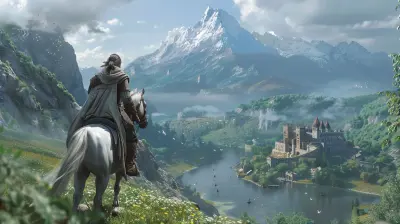
Exploring the Emotional Power of Music in Games
26 December 2025
Ever had goosebumps while playing a video game? Or maybe you felt a lump in your throat during a particularly emotional scene—not because of the visuals, but because of the music playing in the background? If you nodded yes, you're definitely not alone. That’s the remarkable power of music in games. It doesn’t just sit in the background—it plays with your emotions, tells a story, and sometimes, says more than the characters ever could.
In this post, we’re diving deep into the emotional engine behind many unforgettable gaming moments—music. So grab your headphones and let's talk about how those digital symphonies can move your soul.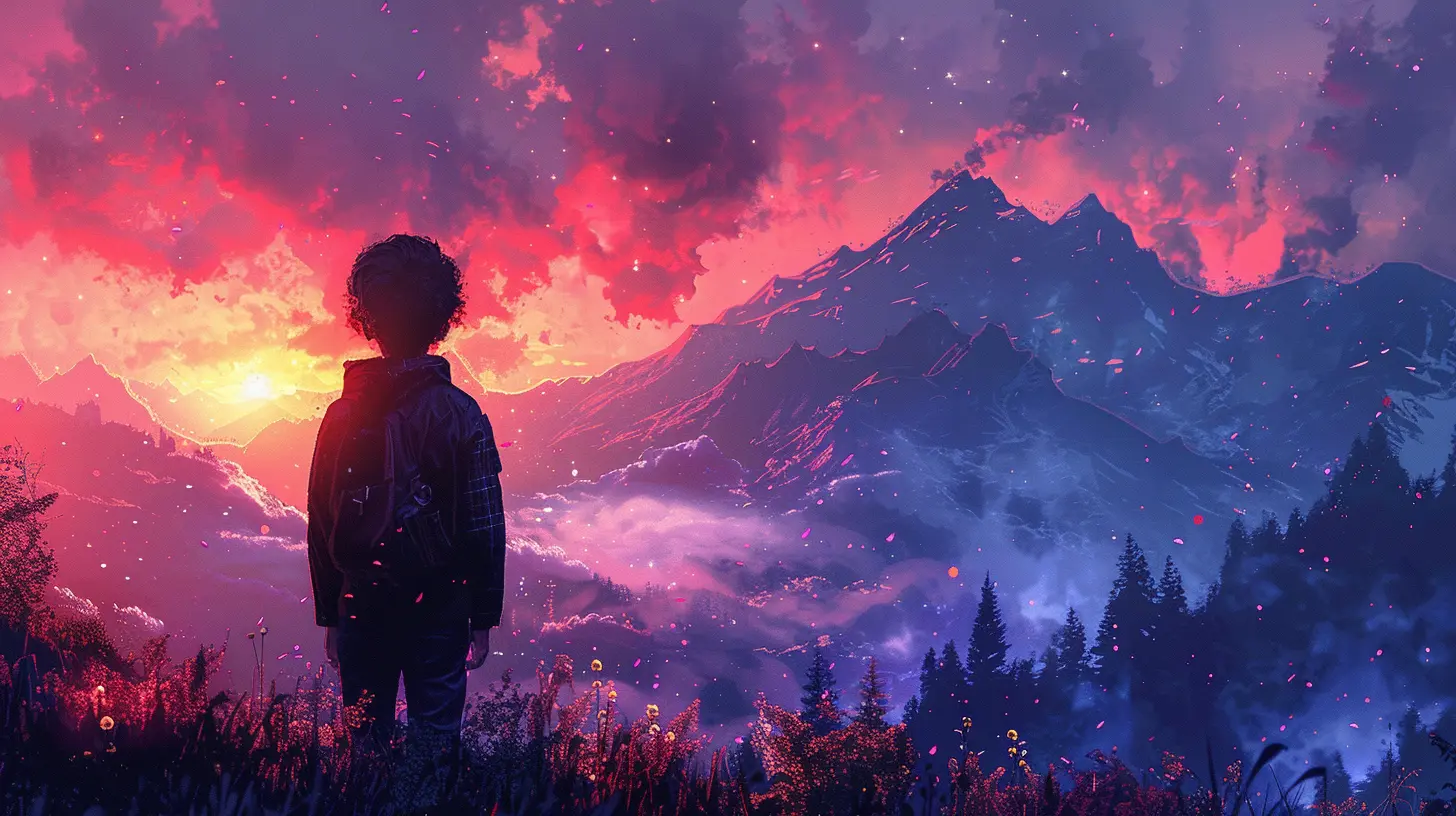
What Makes Music in Games So Powerful?
Alright, let’s be real—music in games hits different. Why? Because it’s designed not just to accompany the game, but to amplify it. Unlike in movies or television, in games you are part of the experience. You’re making choices, exploring worlds, and facing challenges. Music responds to you—and that interactive element turns every note into something deeply personal.Think of it this way: ever walked into a room and instantly felt a vibe based on the music playing? That’s exactly what happens in games, only on a much more immersive level. Whether it’s the melancholy piano in The Last of Us, the sweeping orchestra in The Legend of Zelda, or the adrenaline-pumping beats in DOOM, music gives emotional weight to what's on screen.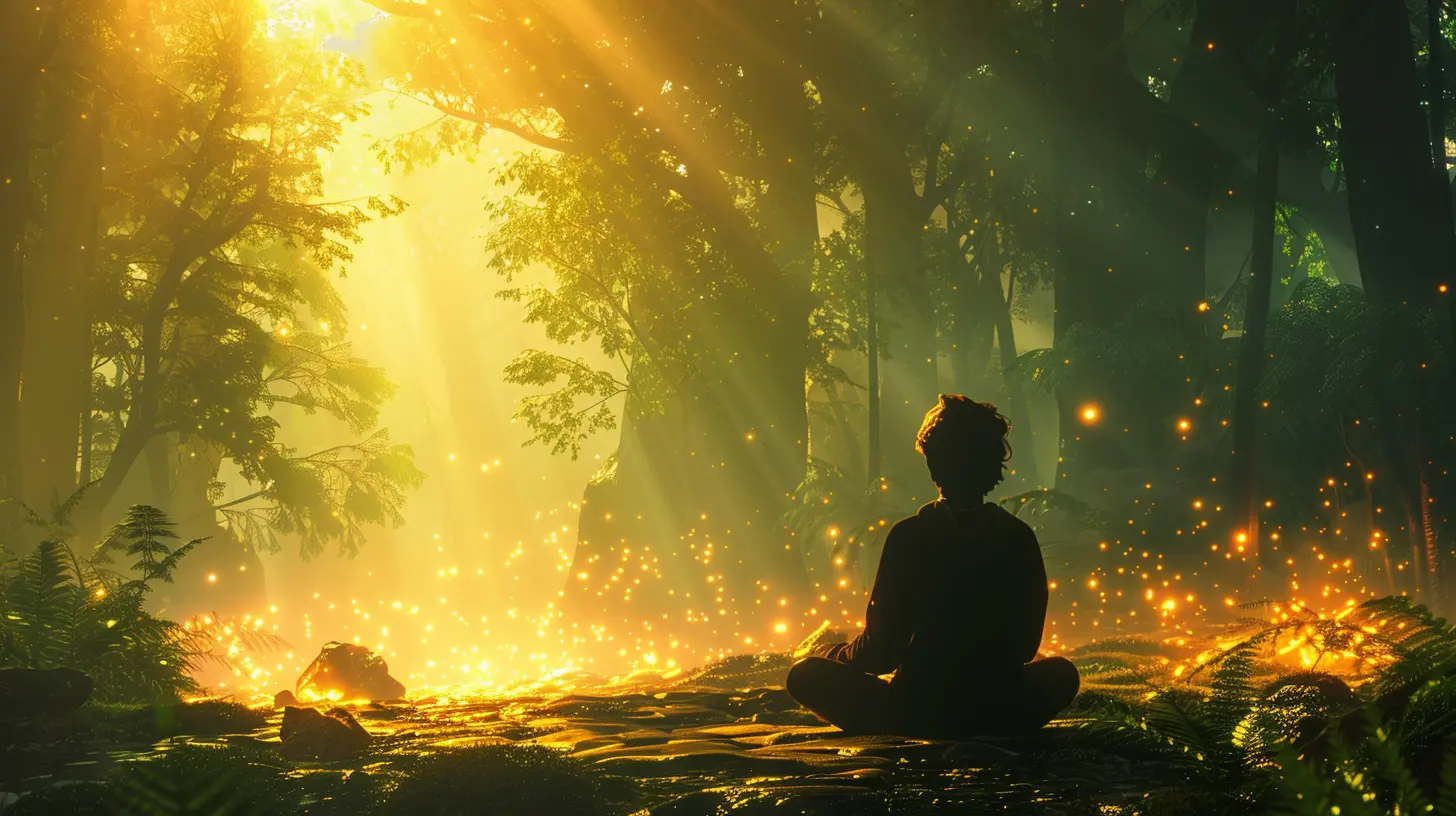
Setting the Mood: The Foundation of Emotional Engagement
You could have the most beautiful game worlds and compelling characters, but without the right music? It’s like watching a movie on mute. Music sets the tone from the very first menu screen. It tells you what kind of emotional ride you're about to embark on.Nostalgic and Peaceful Vibes
Take Animal Crossing, for example. Its gentle, breezy soundtrack doesn’t just accompany your island life—it becomes part of your daily rhythm. The music shifts throughout the day, subtly reminding you of the real-world passage of time. It's warm, soothing, and feels like a musical hug every time you start the game.Dark and Tense Atmospheres
On the flip side, you’ve got games like Silent Hill or Resident Evil. That eerie sound design? The unsettling drones and sharp strings? They’re not just for show—they tap into your primal fear of the unknown, keeping you on edge and heightening tension at every turn.
Dynamic Music: When Soundtracks React to You
One of the coolest things about game music is that it isn’t static—it changes based on your actions. This concept is called dynamic music or adaptive audio.Imagine you're sneaking around an enemy base in Metal Gear Solid. The music is soft, slow, stealthy. But the moment you're spotted? BAM—intense alert music kicks in, and your pulse goes through the roof. That shift isn’t random—it’s designed to sync with your emotions and elevate the tension.
Boss Battles and Climactic Moments
Ever noticed how boss fight music often feels like a war cry? That’s intentional. Take Dark Souls, for instance. The music in boss fights is hauntingly epic—choirs, orchestras, the whole dramatic package. It’s meant to make you feel tiny, overwhelmed, and yet somehow inspired to push through. It's like the music itself is challenging you to win.
Music as a Storytelling Tool
Here’s where things get really interesting. Game music doesn’t just support the story—it can be the story.Leitmotifs and Character Themes
You know how you can instantly recognize Darth Vader's theme? That’s a leitmotif—a recurring musical phrase associated with a character or idea. Games use them too, and when done well, they hit hard.Take Final Fantasy VII and the iconic “Aerith’s Theme.” The melody is tender, pure, and deeply emotional. When a major plot twist happens (if you know, you know), hearing that theme takes on a whole new meaning. It’s not just a tune—it’s memory, grief, and beauty wrapped into a few simple notes.
Environmental Storytelling
Sometimes, music tells you more about the world than any dialogue ever could. Journey is a perfect case. With no words spoken throughout the game, the soundtrack carries all the emotional weight. Each crescendo and lull reflects the protagonist’s emotional arc, and by the end, you feel like you've been on a spiritual ride guided purely by sound.The Psychology of Game Music: Why It Works
Okay, brain science time—but we’ll keep it chill. Music taps into the limbic system, the part of your brain that controls emotion and memory. That’s why certain songs make you tear up, feel nostalgic, or get hyped.Emotional Memory and Replay Value
When we hear a specific track from a game we love, our brains instantly associate it with the emotions we felt while playing. That’s why hearing the title screen music from a childhood favorite can hit you right in the feels—it’s like flipping through a sonic photo album.Escapism and Immersion
Music enhances immersion by offering a sound-based escape pod. When it’s done right, you forget you’re sitting on your couch with a controller in hand, and suddenly you’re in a warzone, a fantasy realm, or space. Music is the invisible glue that holds the immersive illusion together.Iconic Game Soundtracks That Stir the Soul
Let’s give props where they’re due. Here are a few legendary game soundtracks that have carved their melodies into our hearts forever:- 🎵 The Legend of Zelda: Ocarina of Time - Koji Kondo’s compositions are nothing short of magical. “Zelda’s Lullaby” is basically the national anthem of the gaming world.
- 🎮 Undertale - Toby Fox built an emotional rollercoaster with chiptunes. "Megalovania" is iconic, but “Undertale” and “His Theme” will straight-up break you.
- 🎼 Red Dead Redemption 2 - The acoustic, often melancholic tunes mirror Arthur Morgan’s emotional journey perfectly.
- 🕹️ Hollow Knight - A hauntingly beautiful score that matches the game’s mysterious tones and themes of loss and resilience.
Player-Created Music and Mod Culture
One thing we shouldn’t overlook is how game soundtracks extend beyond the game itself. Fans remix, re-orchestrate, and even perform their favorite game tunes live. From YouTube covers to full-blown orchestral concerts like The Legend of Zelda: Symphony of the Goddesses, it’s proof that game music connects with people on a deep level.Ever stumbled onto a lo-fi remix of a game track while studying or working? You know the kind that makes you feel like the world's most focused wizard? That’s the beauty of it—game music is more than entertainment. It’s art that adapts to our lives outside of games, too.
Music in Indie Games: Heartfelt and Innovative
Indie games may have smaller budgets, but they often pack massive emotional punches, especially in their soundtracks.- 🎶 Celeste - Lena Raine’s soundtrack is anxiety, joy, and perseverance all at once. The way the music evolves with your progress is genius.
- 🧡 Gris - This title is an emotional painting brought to life, and the music paints with sound in the most delicate, heartbreaking ways.
- 🌌 Hyper Light Drifter - Its synth-heavy soundtrack is mood incarnate—otherworldly, melancholic, and curious.
These games prove you don’t need a huge orchestra to move people; you just need heart—and a great composer.
The Future Sound of Gaming
With the rise of virtual reality and advanced audio engines, the future of music in games looks—and sounds—super exciting.Imagine soundtracks that not only react to your decisions but are procedurally generated based on how you play. Imagine music that shifts in real-time depending on your emotional state, heart rate, or even facial expressions. Sounds like sci-fi? It’s actually already in the works in experimental gaming projects.
Oh, and let’s not forget AI-generated music. While nothing beats human creativity, advanced AI tools can adapt compositions on the fly, opening crazy new doors for personalization and immersion.
Final Notes (Pun Intended 🎶)
Music in games isn't just background noise—it’s an emotional compass, a storytelling partner, and a mood magician. Whether it's sweeping you off your feet with orchestral splendour or tugging at your heartstrings with a simple piano melody, video game music is a vital part of our interactive experiences.Next time you boot up your favorite game, take a moment to really listen. You might be surprised at just how much the music is saying.
So, what’s YOUR favorite gaming soundtrack? Drop it in the comments or share your go-to “feels” game. Let’s turn up the volume on this conversation.
all images in this post were generated using AI tools
Category:
Game SoundtracksAuthor:

Audrey McGhee
Discussion
rate this article
3 comments
Cora Hurst
Absolutely loved this article! 🎶 The way you captured the emotional depth music brings to gaming is spot on. It’s incredible how a simple melody can enhance our experiences and make us feel so connected to the story. Can’t wait to dive into more soundtracks! Keep up the amazing work! 🎮❤️
March 12, 2026 at 4:07 PM
Audrey McGhee
Thank you so much for your kind words! I'm thrilled you enjoyed the article and connected with the emotional power of music in gaming. Stay tuned for more! 🎶❤️
Alice McAndrews
Music in games isn't just an accessory; it's the heartbeat of the experience. It amplifies emotions, deepens narratives, and connects players to worlds in ways visuals alone can't. Let's celebrate how soundtracks elevate gaming to a profound art form.
December 29, 2025 at 5:12 AM
Audrey McGhee
Thank you for capturing the essence of music in gaming! I completely agree—soundtracks truly enrich the narrative and emotional depth of our gaming experiences.
Diesel Alvarez
Music in games transcends entertainment; it forges deep emotional connections, enhances storytelling, and elevates the player's journey. Let the melodies guide us through adventures we’ll never forget!
December 27, 2025 at 5:21 PM
Audrey McGhee
Thank you for highlighting the profound impact music has on gaming experiences! It truly enhances our emotional journeys and storytelling.