Exploring the Connection Between Music and Game Difficulty
27 July 2026
Have you ever rage-quit a level and blamed the game's soundtrack for making you lose focus? Or maybe, just maybe, a perfectly-timed beat drop gave you the energy to push through a boss fight? Yeah, you’re not alone. Music does more than just fill the silence in games — it can mess with your head, raise your adrenaline, or soothe your nerves. Let’s talk about the not-so-obvious relationship between music and game difficulty.
Why Music in Games Isn't Just Background Noise
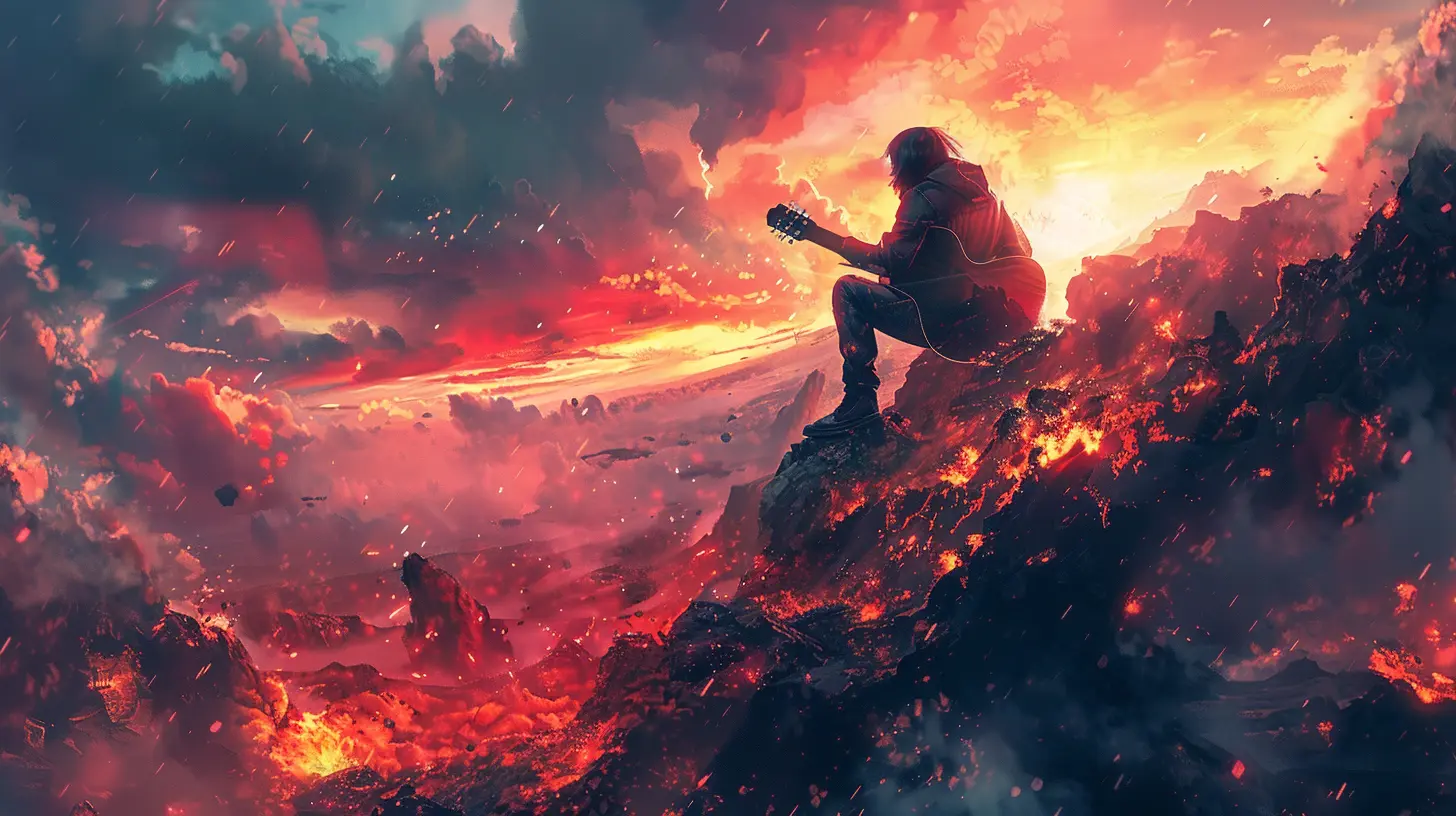
Let’s get something straight right off the bat — game music isn’t just there to make things sound pretty. Sure, it enhances the vibe, but it’s also a powerful tool used to control your emotions, pace your actions, and even mess with your skill perception.Think of music as the subconscious coach whispering (or yelling) in your ear. It can push you harder or trip you up depending on how it’s used. A chill ambient track might make that puzzle seem easier, while intense orchestral chaos during a fight might make you feel like you’re battling for your life — even if the boss is just mildly annoying.
The Psychology Behind Game Music
Here’s where things get a little nerdy, but in a good way. Studies in psychoacoustics (yep, it’s a real thing) show that tempo, rhythm, and pitch can directly influence your cognitive performance. Your brain processes auditory cues almost instantaneously, which means a sudden change in tempo or pitch can throw you off your game — literally.Fast rhythm? Your pulse goes up, your movements get quicker. Slow, eerie melody? You become cautious, more deliberate. Game developers use these psychological tricks to nudge you into certain behaviors — sometimes helping, sometimes hindering.
How Music Makes Games Harder (or Easier)
1. Pacing and Rhythm: Your Invisible Metronome
Ever noticed how rhythm-based games like Beat Saber or Crypt of the NecroDancer tie your actions to the beat? There’s no faking it — if your timing is off, you’re toast. These types of games crank difficulty up or down purely through musical tempo. They don’t even need more enemies — just speeding up the track makes everything harder.But even in non-rhythm games, pacing matters. A faster tempo can pressure you into rushing moves, leading to more mistakes. That "Go! Go! Go!" vibe? It’s no accident — the music is essentially gaslighting you into thinking time is running out.
2. Emotional Pressure: Heart-Pounding Intensity
When the soundtrack shifts into high gear — think drums pounding, strings screeching — your stress level skyrockets. That sonic tension tricks your brain into thinking the stakes are higher than they are. Suddenly, dodging basic attacks feels like defusing a bomb.In contrast, a soothing melody playing during a challenging segment might lower your anxiety, making the task feel less daunting. Developers often weaponize this — high-stress music for boss fights, calming sounds during exploration — to manipulate how difficult a section feels.
3. Distraction and Focus: Sound vs Skill
Let’s be honest. Sometimes the music is a distraction. Flashy, layered beats can overload your senses, especially in games that demand precision like Cuphead or Sekiro. Your brain tries to juggle processing visuals, mechanics, AND music — it’s a sensory circus.On the flip side, minimalist music can help you focus. It clears the mental fog and lets your brain lock into the core gameplay. Games like Inside or Journey use sparse soundscapes deliberately, shifting the challenge focus solely onto gameplay without sensory overload.
4. Predictive Cues: Tells through Tunes
Game music often doubles as a warning system. Think about any horror game — the moment music ramps up, you know jump-scare city isn’t far behind.Smart players catch onto this. Developers know smart players catch on. So what do they do? They tweak the cues. Sometimes music builds for no reason. Other times, the scariest moments are served in silence.
It's a mind game — if you trust the music too much, your expectations get shattered. That unpredictability? It makes games psychologically harder.

The Genre Factor: How Different Games Use Music
Rhythm Games
Obviously, music is the entire point here. In Guitar Hero, Osu!, or Thumper, the gameplay is built around sound. The difficulty isn’t just increased by faster tempos — it’s about complexity, syncopation, and even genre. Jazz? Unpredictable. Metal? Relentless. Lo-fi? Surprisingly tricky because of its subtle shifts.Action and Platformers
In games like Super Mario, music's tied to movement. Ever noticed how the level music gets faster when time is running out? That’s Nintendo subtly turning up the pressure.Platformers often match musical rhythm to level design. For example, jumping platforms might move in time with the beat, so if you’re off-rhythm, you miss the timing — and miss the jump.
Horror Games
Oh boy, horror games. These maestros of audio manipulation use music to control fear. Haunting tracks, sudden silence, and distorted melodies all contribute to unpredictable tension. The music makes the game feel harder even if it technically isn’t. You’re not just battling zombies — you're battling your nerves.Puzzle Games
Here, music often plays a calming role. Games like Tetris Effect or The Witness use relaxing or ambient tracks to promote deeper thinking and reduce stress. Think of it like background jazz in a fancy coffee shop — you’re less likely to throw your controller in frustration when you’re vibing to smooth tunes.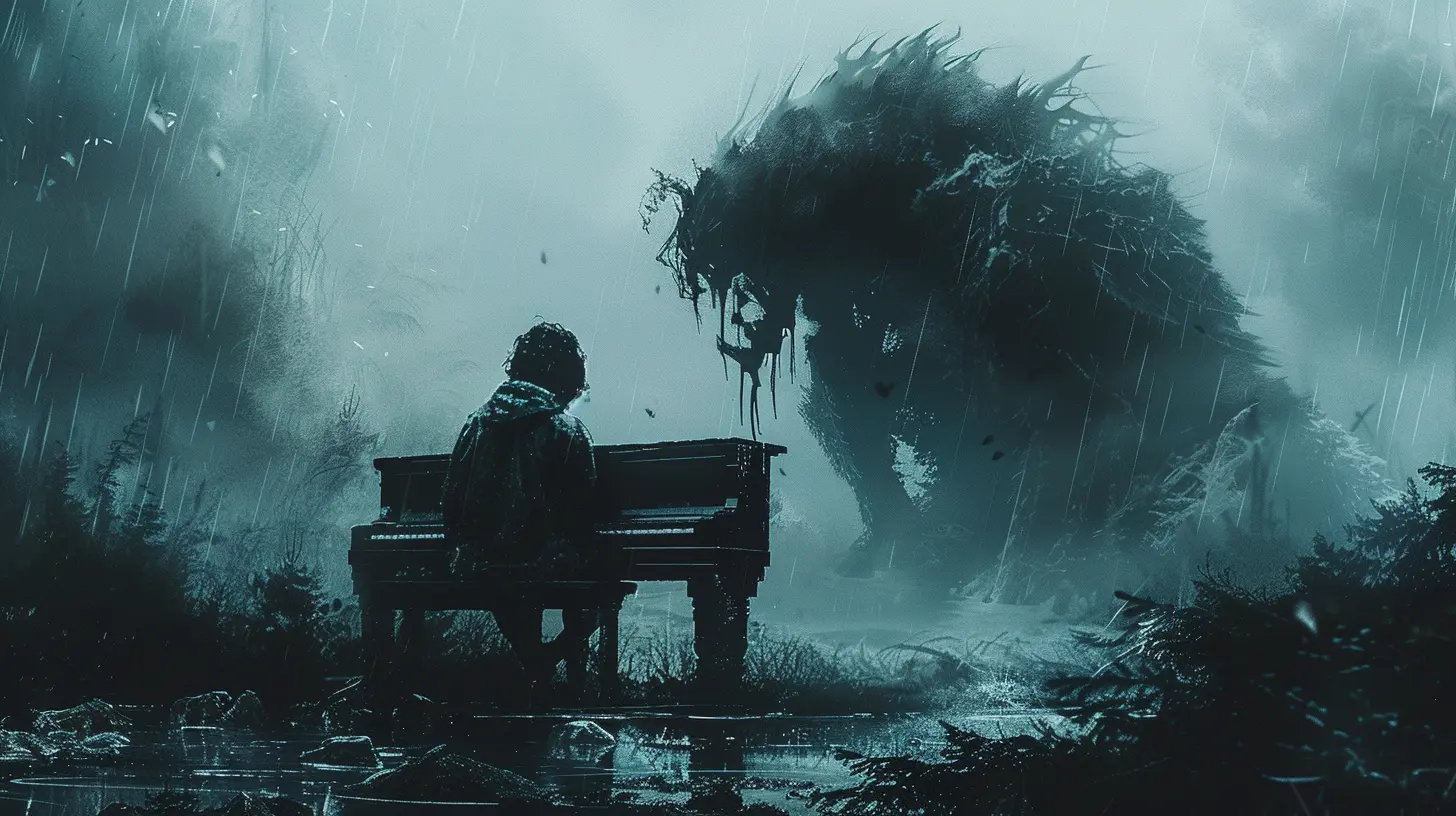
Dynamic Soundtracks: Adapting to Your Skill Level
One of the coolest innovations in gaming music is adaptive or dynamic soundtracks. These are soundtracks that shift based on what’s happening — and sometimes even how well (or poorly) you’re doing.Let’s say you’re absolutely dominating in a shooter. The music starts to swell, adding more layers, making you feel like the king of carnage. If you’re struggling, maybe the music tones down, giving your brain space to regroup.
Games like DOOM (2016) nail this. The soundtrack ramps up as the action gets more intense, matching your momentum shot for shot. It’s not just hype — it’s functional design that fuels your gameplay performance.
Music Mods and Custom Soundtracks: A Double-Edged Sword
Some games let you add your own soundtrack or use music mods. Seems harmless, right? But it can seriously mess with the intended difficulty.Say you're playing Dark Souls while bumping to EDM. Cool? Maybe. But the tension is gone. That eerie silence or ambient dread is part of what makes the game hard. Replace it with upbeat tunes and suddenly you're less scared, more reckless. And probably dead.
Custom tracks can either give you a psychological edge or strip the game of its intended atmosphere. It’s like trying to watch a horror movie with circus music — still scary, but… weirdly off.
Can Music Actually Make You Better at Games?
Short answer: Yes — sometimes.If the music matches your playstyle, it can improve reaction time, mood, and even hand-eye coordination. Like your own theme song playing while you crush enemies. It's motivating!
But there’s a catch — it needs to be the right music. Too fast, and you panic. Too slow, and you underperform. It’s a Goldilocks situation of finding just the right tempo, volume, and genre to hit your performance sweet spot.
The Future of Music and Game Difficulty
With advancements in AI and adaptive tech, we're heading into wild territory. Imagine games that adjust their music not just to your current progress, but to your emotional state. Scared? Upbeat music kicks in to calm you down. Cocky? Tense sound builds to keep you sharp.We’re talking heart-rate integration, voice recognition, even facial expression analysis. Music won’t just shape game difficulty — it will react to you in real-time. It's basically mood-surfing for video games.
Wrapping Up: What’s the Takeaway?
Music in games isn't just fluff — it's a secret weapon. It can crank up the challenge, mess with your emotions, or make you feel like an unstoppable legend. Whether it’s the tension-building strings before a boss fight or the rhythmic beat of a puzzle game, music is often the invisible hand guiding your experience.Next time you’re stuck on a level, pause and listen. The solution might just be hiding in the soundtrack.
all images in this post were generated using AI tools
Category:
Game SoundtracksAuthor:

Audrey McGhee
Discussion
rate this article
1 comments
Raine Bryant
Great insights on music's impact!
July 27, 2026 at 4:35 AM