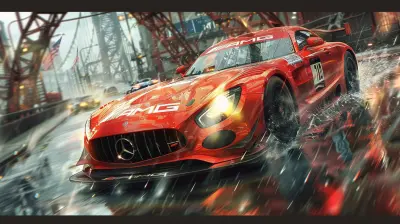
Exclusive Games and How They Shape the Gaming Platform Landscape
4 January 2026
Ever picked up a console or subscribed to a gaming service just to play a single game? Yeah, you're not alone. Welcome to the world of exclusive games — those shiny, platform-specific titles that make you rethink your next console purchase or subscription. They’re not just games; they’re entire ecosystems, crafted to pull you in and never let you go. But why do exclusives matter so much? Why are companies fighting tooth and nail over them?
In this article, we’ll unpack the powerful grip exclusive games have on the gaming industry. We'll look at how they mold the platform landscape, influence player loyalty, and even shape the future of game development. So, buckle in — this is going to be a fascinating ride.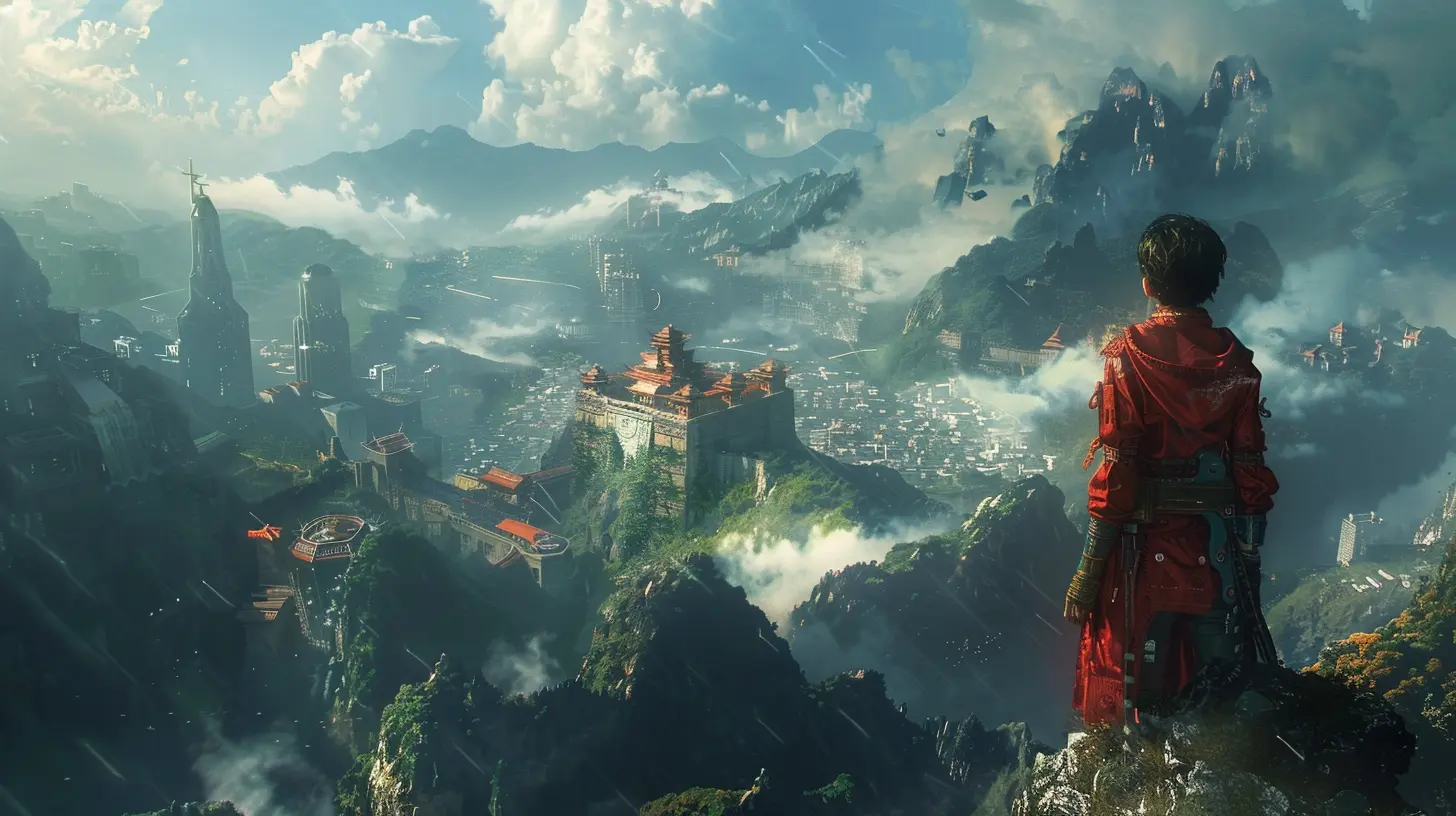
What Are Exclusive Games, Really?
Let’s start by clearing the air. When we talk about “exclusive games,” we mean titles that are available only on a specific platform — be it a console like the PlayStation 5, Xbox Series X, or even a PC storefront like the Epic Games Store. There are a few types:- Console Exclusives: Only available on one console (e.g., Starfield on Xbox Series X).
- Timed Exclusives: Initially released on one platform but later available elsewhere (like Final Fantasy VII Remake).
- Platform-Exclusive PC Titles: Games that stick to a particular PC storefront (looking at you, Epic).
These types of exclusives serve one main purpose: to attract and retain users. Basically, they’re bait — and, boy, are they effective.
The Power Play: Why Platforms Love Exclusives
Ever wonder why platform holders — like Sony, Microsoft, or Nintendo — pour mind-boggling amounts of cash into exclusive titles? It’s simple. Exclusives are system sellers. Let’s break that down:1. They Drive Console and Service Sales
Want to experience “The Last of Us”? You’ll need a PlayStation. Eyeing “Halo Infinite”? Better grab an Xbox or Game Pass. This strategy works like a charm. Great exclusives move hardware. It’s like needing a fancy speaker just to hear your favorite song.2. They Build Brand Identity
Each platform has its own vibe. Nintendo’s all about family-friendly, imaginative fun with games like “Mario” and “Zelda.” Sony delivers deep, cinematic experiences (think “God of War” and “Ghost of Tsushima”). Xbox leans into community and services like Game Pass. These games define what each brand stands for.3. They Lock in Ecosystems
Once you’ve bought a console for one exclusive, chances are you’ll buy more games, subscribe to additional services, and fully sink into that platform’s world. It’s like buying into an all-inclusive resort — you’re staying for the whole experience, not just the pool.
How Exclusives Shape the Platform Battlefield
Now that we know why platforms chase exclusives like pirates after treasure, let’s talk about how this strategy sculpts the gaming landscape.1. Player Fragmentation
This is the dark side of the exclusivity coin. While exclusives bring innovation and quality, they also create barriers. If you want to play every major game, you need multiple consoles or subscriptions — and that’s pricey. It’s like needing three different remotes just to watch your favorite shows.2. Platform Wars and Fan Loyalties
“Sony vs. Microsoft” debates are practically a sport. Exclusive titles can turn gamers into loyal brand advocates, defending their console of choice like it's a football team. It's entertaining, sure, but it can also create divisions in the community.3. Industry Innovation vs. Monopoly Concerns
Exclusives often push boundaries. Just look at the storytelling in "The Last of Us Part II" or the art style in "Breath of the Wild". But there's a tipping point. When big platforms start buying studios just to gate their games (hi Microsoft and Activision-Blizzard), it raises eyebrows. Are we fostering innovation or just blocking competitors?
The Evolution of Exclusivity: Not Just Consoles Anymore
Back in the day, exclusivity was mainly about consoles. Buy the box, play the game. Simple. But now? The landscape’s shifting — fast.Cloud Gaming & Streaming Services
Services like Xbox Cloud Gaming and NVIDIA GeForce NOW are changing the rules. You don’t need a console anymore — just an internet connection and a subscription. Suddenly, that "exclusive" doesn’t feel so exclusive when you can stream it on a phone.PC Storefront Battles
Epic Games Store shocked the industry by locking down PC exclusives like “Control” and “Borderlands 3”. Steam loyalists weren’t happy, but it made Epic a serious contender. Now, exclusivity isn't just a console thing — it’s a digital turf war.Mobile Crossovers
Mobile platforms are also seeing exclusivity grabs. Think of “Call of Duty: Mobile” or “League of Legends: Wild Rift”. Mobile exclusives are like secret weapons in a platform's arsenal, grabbing gamers who don't even consider themselves "gamers."The Winner’s Circle: Iconic Exclusive Games That Changed Everything
Let’s rewind and look at a few exclusive titles that absolutely shifted the gaming world.1. The Legend of Zelda: Breath of the Wild (Nintendo Switch)
This wasn’t just a game — it was a movement. “Breath of the Wild” redefined open-world design, turning the Switch into a must-have console seemingly overnight.2. God of War (PlayStation 4)
A reinvention of a classic, this emotionally charged, beautifully crafted game showcased what exclusives could truly be. It helped PlayStation cement its dominance during the eighth console generation.3. Halo Franchise (Xbox)
Without “Halo,” Xbox might not even be a thing today. It was that impactful. “Halo” proved that console shooters could be great, and it built a foundation for Xbox Live.4. Spider-Man (PlayStation)
Marvel + Sony = gold. “Spider-Man” wasn’t just a comic book game; it was a blockbuster exclusive that attracted casual and hardcore fans alike.The Future of Exclusivity: What’s Next?
The landscape is evolving, and fast. So, where are exclusives heading? Let’s gaze into the (totally not foggy at all) crystal ball.1. Timed Exclusives Will Rule
Permanent exclusives might become rare. Instead, we’ll see more timed exclusives — where a game launches on one platform, then moves to others after a year or so. It's a win-win: platforms get the initial buzz, and gamers eventually get access everywhere.2. Subscription-Based Exclusivity
Game Pass, PlayStation Plus, and other services are making content exclusive to subscribers. This model could dominate. Instead of “exclusive to PlayStation,” we might hear “exclusive to PlayStation Plus Premium.”3. Mergers and Acquisitions Will Accelerate
Game publishers are being gobbled up by bigger fish. Microsoft buying Bethesda and Activision-Blizzard? That’s not just business — it’s a shot across the bow. The more studios a platform owns, the more exclusives it controls.4. Cross-Platform Play May Blur the Lines
Ironically, while exclusivity increases, cross-play is helping to unite players across platforms. You might not have access to every game on every console, but at least you can play with your friends more often. Pretty cool, right?Are Exclusives Good or Bad? Let’s Talk
Alright, it’s decision time. Are exclusives helping the industry or holding it back? Honestly, it’s a bit of both.The Good
- Pushes quality and innovation- Gives each platform a distinct identity
- Drives healthy competition
The Bad
- Fragments the player base- Increases hardware and service costs
- Risks monopolistic behavior
So, like pineapple on pizza, exclusives are divisive. Some love them for the prestige and uniqueness they bring; others despise them for drawing lines between players.
Conclusion: A Game of Strategy and Loyalty
Exclusive games aren't just about entertainment — they're battlefield tactics. They're the glittering bait used to pull players into ecosystems, build loyalty, and drive the industry forward. They’ve shaped console wars, fueled incredible game creation, and dictated how and where we play.The next time you see a big exclusive title drop, remember: it’s not just a game. It’s a strategic chess move in a much bigger battle for your attention, your wallet, and your loyalty.
So, are exclusives here to stay? Unless platforms stop caring about money (spoiler alert: they won’t), absolutely.
all images in this post were generated using AI tools
Category:
Gaming PlatformsAuthor:

Audrey McGhee
Discussion
rate this article
3 comments
Julian Benton
Exclusive games play a pivotal role in defining a platform's identity and appeal. They drive console sales, forge loyal communities, and influence developers’ strategies. By showcasing unique experiences, exclusives not only enhance competition among platforms but also elevate the overall gaming ecosystem.
March 20, 2026 at 4:32 AM
Audrey McGhee
Absolutely! Exclusive games are essential in shaping a platform's identity, boosting sales, and fostering community loyalty, ultimately enhancing the competitive landscape of gaming.
Mandy McGowan
Secrets hidden in exclusive titles.
January 12, 2026 at 5:27 AM
Audrey McGhee
Exclusive titles often hold secrets that can drive platform loyalty, influence gaming trends, and shape player experiences, ultimately redefining the competitive landscape.
Drake Griffin
Exclusive games inspire innovation and elevate our gaming experiences to new heights!
January 8, 2026 at 6:11 PM
Audrey McGhee
Absolutely! Exclusive games drive creativity and set new standards, enhancing the overall gaming experience and shaping the platform landscape.