Composers Who Changed the Landscape of Game Music
23 May 2026
Video games have come a long way since the pixelated days of Pong and Space Invaders. But while graphics and mechanics evolved, one element quietly grew into a titan of immersion—music. Game music isn't just background noise anymore; it’s a storytelling powerhouse. And you know what made that possible? The geniuses behind the soundtracks. Today, we're diving into the world of iconic composers who reshaped what game music could be.
Whether you’re a nostalgia-driven gamer or someone who vibes with orchestral boss themes while working, this one's for you.
Why Game Music Matters More Than You Think
Okay, let’s be real. Would the final boss battle hit the same without that epic score pumping in your ears? Probably not.Game music brings emotion, builds tension, creates atmosphere, and yes, gives goosebumps. Great composers craft sounds that stick with you. They make you feel the story even when there’s no dialogue. They turn pixels into memories. Without them, games wouldn’t be half as immersive.
The medium wouldn’t be what it is today if not for the trailblazers who dared to think outside the 8-bit box.
Nobuo Uematsu – The Maestro of Fantasy Worlds
If you’ve played a Final Fantasy game, then you’ve felt the magic of Nobuo Uematsu.He didn’t just compose music; he orchestrated entire worlds. His work on Final Fantasy VII gave us everything from tear-jerking themes like “Aerith’s Theme” to the adrenaline-pumping “One-Winged Angel.” That last one? Yeah, it's basically the Stairway to Heaven of RPG boss themes.
Uematsu blends classical music with rock and synth, painting emotions with sound. He made RPGs not just playable, but emotional experiences. Thanks to him, video game OSTs started being taken seriously—even by non-gamers.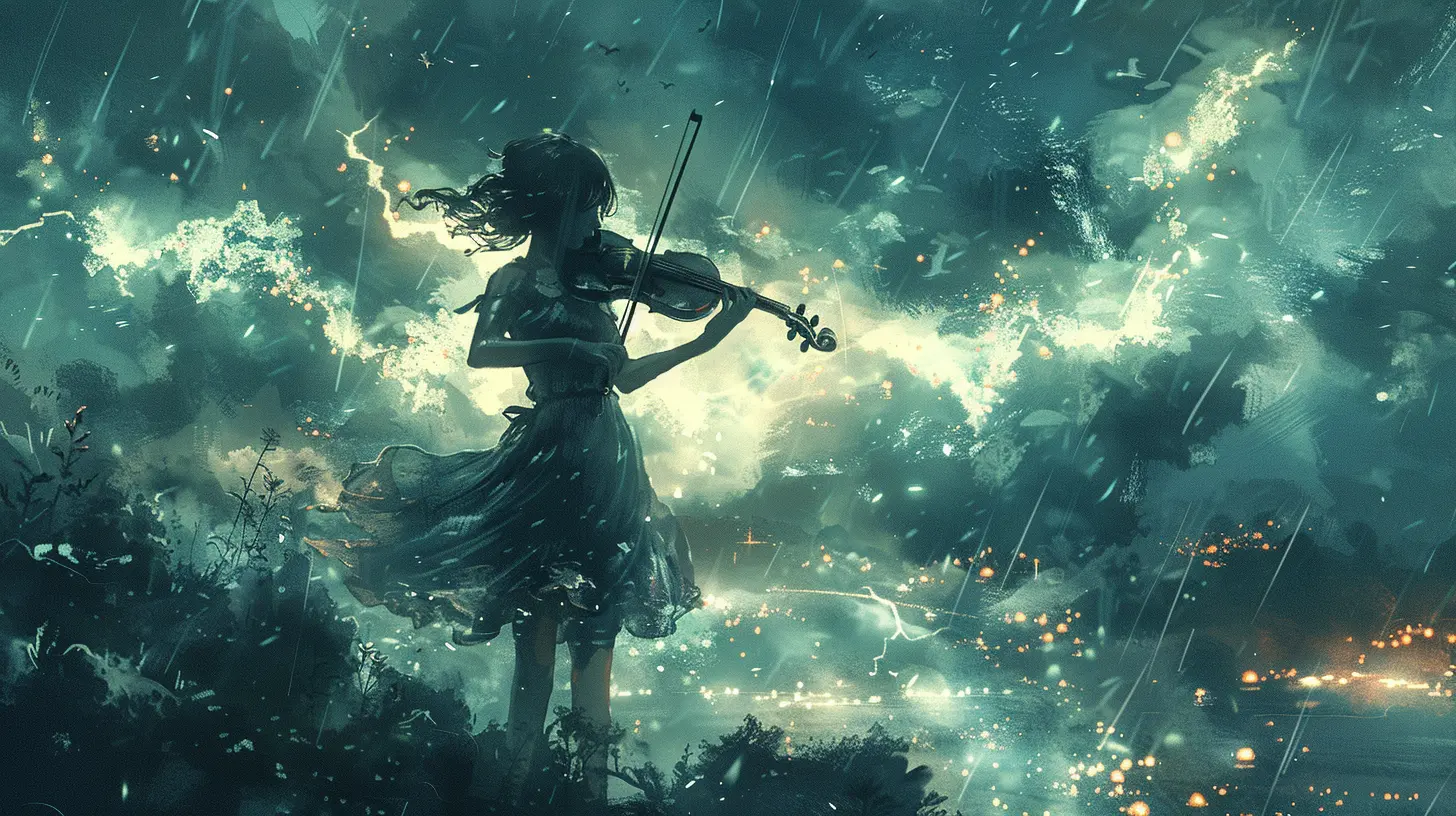
Koji Kondo – The Legend Behind the Legend
You can hum the Super Mario Bros. theme, can’t you? That’s Koji Kondo’s legacy. The guy is a living legend.Kondo changed the way we think about game music by making it an integral part of gameplay. His tunes weren’t just catchy—they worked with the game. The tempo matched the pace, the loops were seamless, and the melodies were instantly memorable.
Let’s not forget The Legend of Zelda. That overworld theme? Iconic. His music set the tone for adventure and wonder without saying a single word.
Kondo proved that game music could be as recognizable as any pop hit. And he’s a big reason Nintendo's classic titles are still beloved decades later.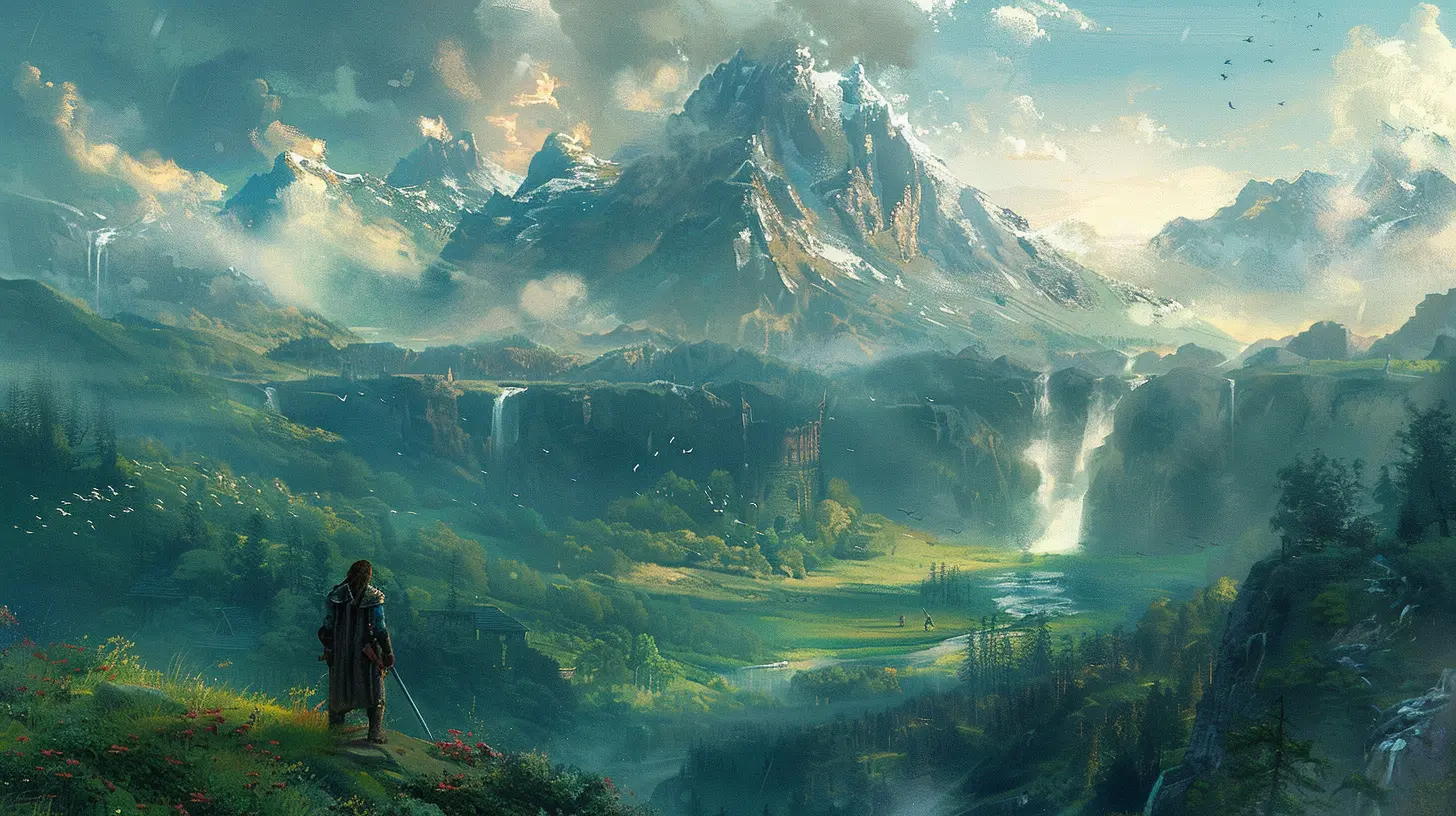
Yoko Shimomura – The Queen of Emotion and Energy
When it comes to injecting emotion into battles and beauty into cutscenes, Yoko Shimomura reigns supreme.She’s best known for her work on Kingdom Hearts, a series that’s basically a masterclass in emotional storytelling. The track “Dearly Beloved” is a warm hug wrapped in notes. But don’t get it twisted—she also composed the rock-driven battle themes in Street Fighter II.
Her style fuses classical piano with upbeat rhythms and fantastical elements, and it works. Shimomura has a way of making you feel every heartbeat of a game’s story.
She showed us that even action-packed RPGs could have subtle, emotionally complex soundtracks. And wow, did it change everything.
Jesper Kyd – The Sound of Shadows and Steel
If you’ve ever crept through a palace in Assassin’s Creed II or mowed down aliens in Hitman, then Jesper Kyd is already in your ears.Kyd is a master of atmosphere. His work doesn’t just score scenes—it sculpts them. With a mix of electronic vibes, ambient textures, and traditional instruments, he creates a world within the world.
What makes him unique is his use of space. He leaves room for the environment to breathe, letting players get lost in the world. It’s music that lives with the game, not just in it.
He’s proof that you don’t need a full orchestra to be emotionally impactful. Sometimes, less is a whole lot more.
Yasunori Mitsuda – The Architect of Time and Memory
Yasunori Mitsuda is a name that’ll make any JRPG fan tear up a little. He’s the mind behind Chrono Trigger and Xenogears, two of the most beloved classic RPGs out there.What’s wild is that he was still pretty new when he composed for Chrono Trigger. He literally worked himself sick to complete the soundtrack. But the result? A score that's transcendent. It’s nostalgic, dreamy, and deeply human.
Mitsuda’s strength lies in blending global influences—Celtic, Eastern, ambient—and wrapping them in emotion. His music feels like time travel, which totally fits the games he’s worked on.
He didn’t follow the rules of traditional game music—and thank goodness for that.
Marty O’Donnell – The Voice of A New Generation
Say it with me: “Finish the Fight.” If those words just triggered a rush of memories, thank Marty O'Donnell and his haunting Gregorian-choir opening to Halo.Before O’Donnell, most FPS games didn’t really lean into thematic music. But Halo changed the game. Literally. His compositions gave humanity and soul to what could’ve been just another space shooter.
His mix of choir, percussion, and orchestral brilliance showed that even a first-person shooter could have an epic, emotionally-charged score—and fans loved it.
He made it cool for shooters to have feels.
Austin Wintory – The Poet of Indie Games
Not all game-changing composers come from AAA titles. Enter Austin Wintory, the man behind the breathtaking soundtrack to Journey.His minimalist, emotive score was the first video game soundtrack to be nominated for a Grammy. Yeah, the Grammys—that’s how powerful it was.
Wintory paints with silence as much as with sound. His music in Journey is dynamic—it grows with your gameplay and evolves with your choices. It’s interactive art, not just audio.
He proved that indie games could be just as emotionally powerful, artistically rich, and critically acclaimed as any blockbuster title.
Keiichi Okabe – The Hidden Gem of Existential Beats
If you haven’t played NieR: Automata, you’re seriously missing out—not just in terms of gameplay, but the music? Straight-up masterpiece.Keiichi Okabe built a hauntingly beautiful, often melancholy atmosphere that pairs perfectly with the game’s dark, philosophical themes. Tracks like “Weight of the World” and “City Ruins” didn’t just support the story—they told it.
His unique blend of vocals (in fictional languages!), electronic beats, and orchestral swell made a dystopian world sound deeply... human.
Okabe reminded everyone that music is a character, not just a companion.
Bear McCreary – The Blockbuster Bridge
Bear McCreary might be a Hollywood guy (you know, The Walking Dead, Battlestar Galactica), but his work on God of War (2018) was next-level.He brought a cinematic intensity to Kratos’ journey from rage machine to... well, still a rage machine, but with feels. The Norse-inspired tones, heavy drums, and emotional strings brought gravitas that matched the game’s raw power.
McCreary helped blur the line between film scores and game music. And honestly, it’s a line we don’t mind losing anymore.
How These Composers Changed the Game (Pun 100% Intended)
Let’s break it down:- They made music matter in games.
- They blended genres, instruments, and emotions in completely new ways.
- They helped make game music a serious art form.
- They connected people to digital worlds through melody and rhythm.
Game music went from beeps and boops to full-blown symphonies, and it’s thanks to these legends (and their peers) that today’s games hit so differently.
Honorable Mentions
There are so many more amazing composers out there. These legends also deserve your ears:- Harry Gregson-Williams – Metal Gear Solid vibes.
- Michiru Yamane – Gothic greatness in Castlevania: Symphony of the Night.
- Akira Yamaoka – The horror genius behind Silent Hill.
- Toby Fox – Indie delight. Undertale has no right sounding this good.
- Gareth Coker – Emotional puncher with Ori and the Blind Forest.
The Future of Game Music Is Bright
With evolving tech like adaptive soundtracks, AI integration, and spatial audio, composers now have more tools than ever to play with. And trust me, the results are going to be epic.We’re in a golden age of game music—and it’s only getting better.
So, the next time you boot up a game and catch yourself humming along, tip your hat (or controller) to the composer who made it unforgettable.
They're not just changing how games sound—they’re changing how we feel when we play.
all images in this post were generated using AI tools
Category:
Game SoundtracksAuthor:
Audrey McGhee
Discussion
rate this article
2 comments
Selah McKinnon
Real talk: Game music got a serious glow-up!
July 16, 2026 at 3:05 PM
Audrey McGhee
Absolutely! Game music has evolved tremendously, and it's exciting to see how composers are pushing boundaries and creating memorable soundscapes.
Elena Gilbert
This article highlights the amazing talent of composers who transformed game music. Their innovative styles and memorable scores have shaped our gaming experiences in profound ways.
May 27, 2026 at 3:55 PM
Audrey McGhee
Thanks for your insight! Composers truly have a remarkable impact on how we experience games. Their creativity elevates the whole medium.