Behind the Scenes of Organizing an Online Tournament
19 June 2026
Let’s face it—most of us love the thrill of a good gaming tournament. The adrenaline, the clutch plays, the trash talk (all in good fun, of course), and that satisfying feeling of watching your favorite team come out on top. But have you ever stopped to wonder what actually goes on behind the scenes of organizing an online tournament?
It’s not as simple as hitting “go live” on Twitch and hoping players show up. Nope. It’s a chaotic yet beautiful dance of coordination, communication, tech setup, and sometimes a few last-minute panic attacks. Whether you’re a casual competitor or aspiring to host your own showdown, stick around because I’m about to pull back the curtain.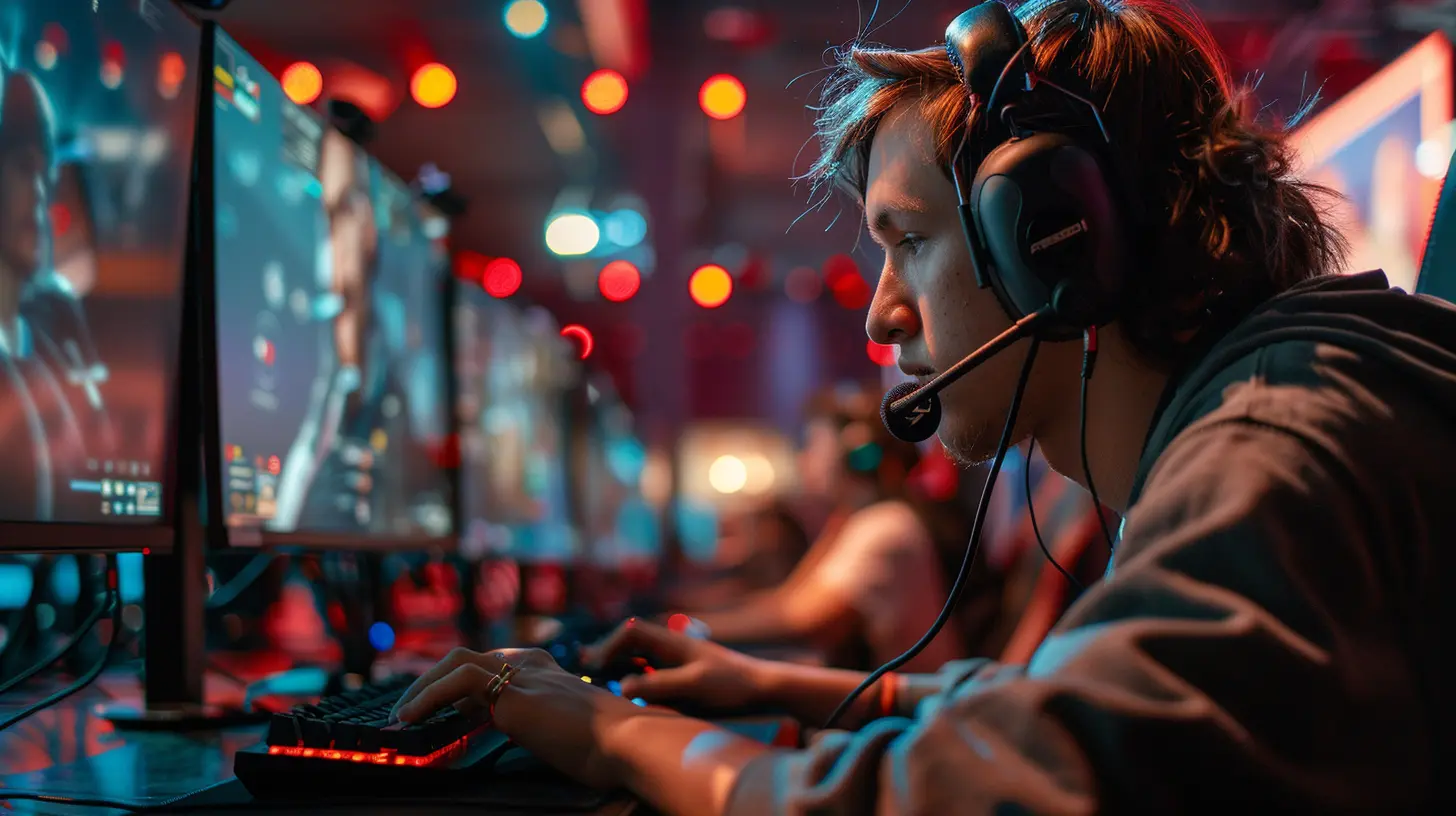
The Big Idea: Where It All Starts
Every tournament starts with a single spark—an idea. Maybe it’s to promote a new indie game. Maybe it’s a community-driven passion project. Or maybe it’s just for the pure love of competition.No matter the reason, defining the goal is crucial. Ask yourself:
- What kind of game are we playing?
- Is it local or global?
- What’s at stake? (Cash prize, fame, bragging rights?)
- Who’s the target audience?
These answers shape everything that follows. It’s like building a house—get the foundation right, or the whole thing crumbles.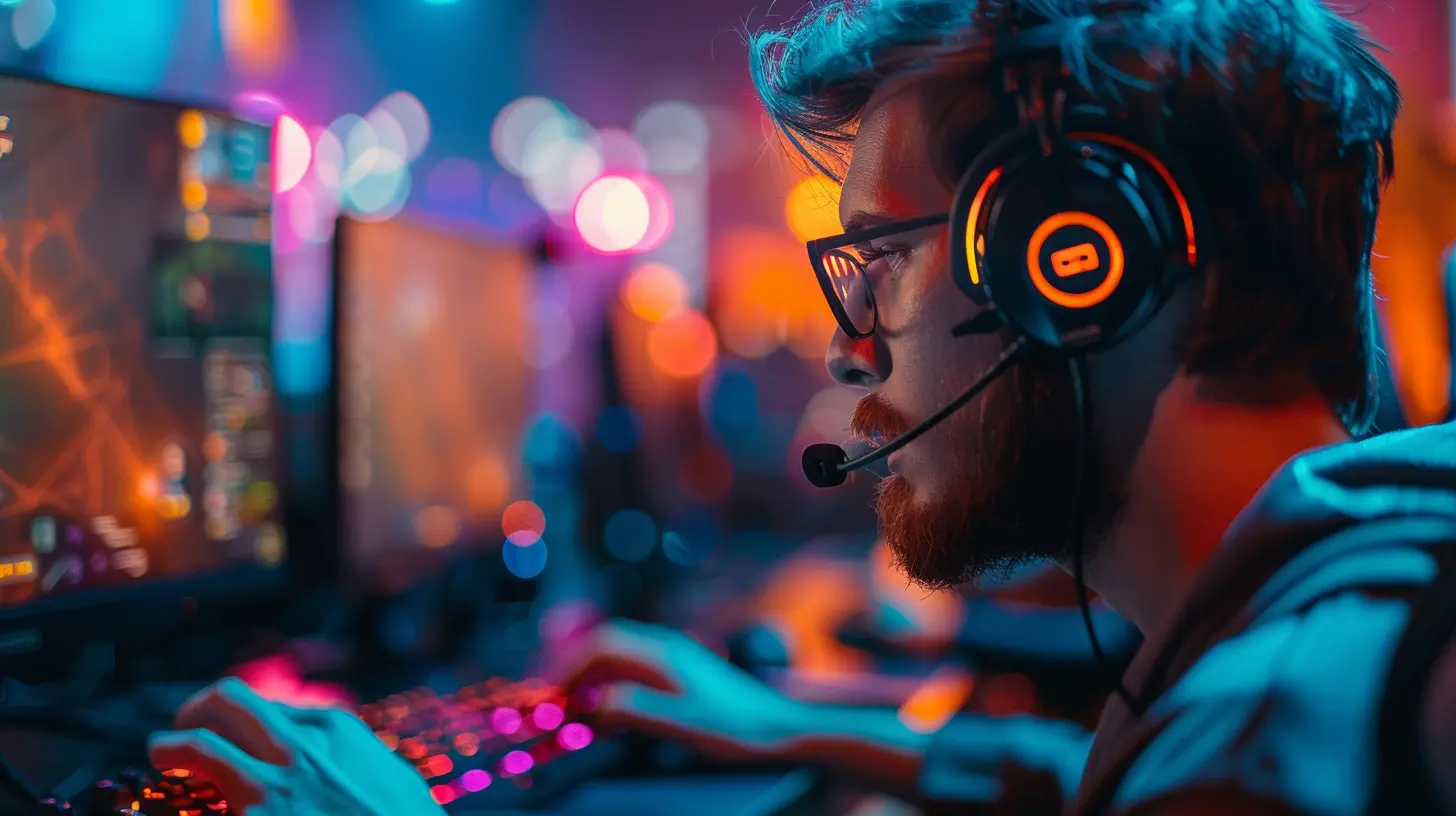
Choosing the Game: Popularity Meets Practicality
You might want to host a tournament for your favorite obscure game from 2012, but will other people show up to play it?The ideal game should strike a balance between popularity and ease of access. Games like Valorant, Fortnite, Rocket League, or even Chess.com tourneys have a built-in audience and strong competitive scenes.
Also, think about:
- Can players join easily from home?
- Does the game support custom lobbies or spectator modes?
- Are there clear rules and win conditions?
Not all games are “tournament-friendly,” and trying to force it can lead to disaster.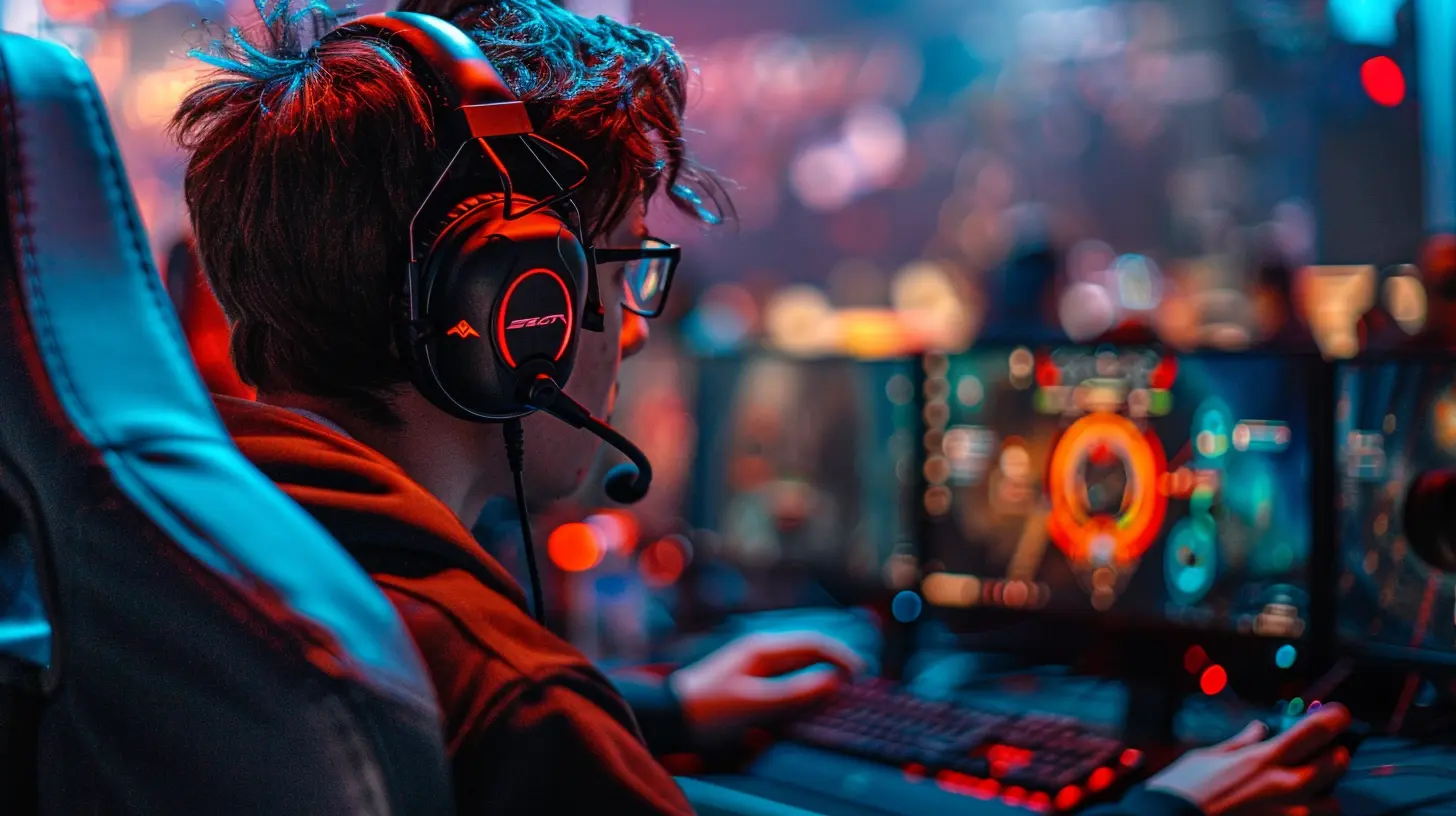
Setting the Format: Brackets, Schedules, and Sanity
This is where things start getting technical—and spicy.You’ve got to decide on the format:
- Single-elimination: Pure chaos. One loss and you're out.
- Double-elimination: A second chance for redemption.
- Round-robin: Everyone plays everyone. Time-consuming but thorough.
And don’t forget timing. You want the event to be long enough to feel impactful, but not so drawn out that people lose interest. A 72-hour stream sounds cool in theory... until your team falls asleep on the job.
Planning out the schedule is like playing 4D chess. You’re juggling time zones, sleep schedules, and real-life responsibilities of participants. A shared Google Calendar becomes your best friend.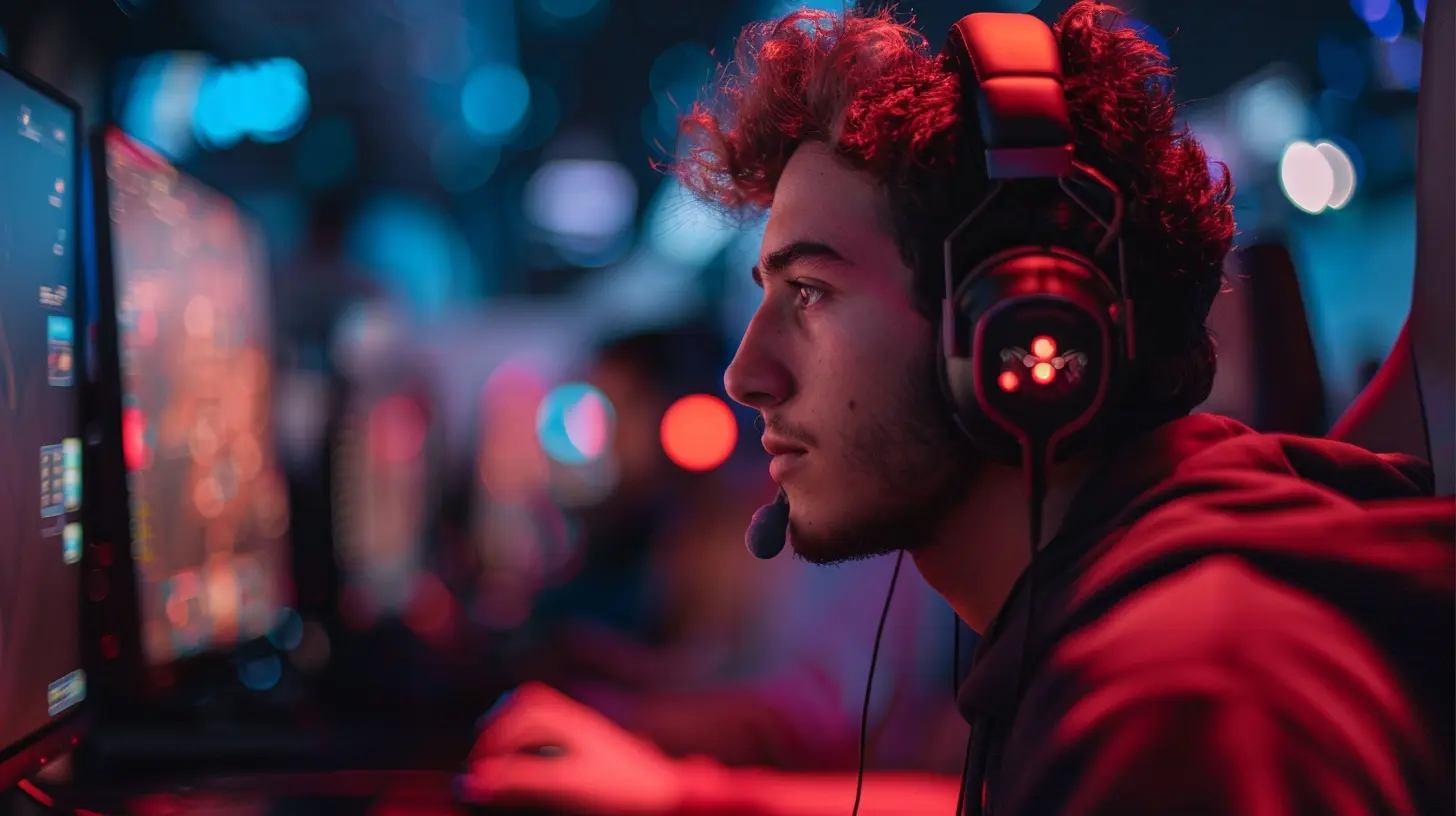
Creating the Rules: The Backbone of Fair Play
No one enjoys drama or confusion mid-tournament. Clear, concise, and enforceable rules are a must.These should cover:
- Match structure (Best-of-3? Time limits?)
- What counts as a win or draw
- Tie-breaker conditions
- Code of Conduct for players and viewers
- Penalties for quitting, cheating, or toxic behavior
Pro tip: Put it all in a cleanly designed PDF or webpage and make everyone read it. Then make them read it again. Trust me, it'll save you a mountain of headaches.
Registration and Promotion: If You Announce It, Will They Come?
You’ve got your game, your rules, and your format. Now you need players—and people to watch them.For registration:
- Use tools like Battlefy, Challonge, or Smash.gg. Super handy for brackets.
- Keep the sign-up process simple. No one wants to fill out a DMV-level form just to play.
- Make sure you gather Discord IDs, in-game nicknames, and availability. You'll need this info later.
Now, promotion. Here's where you put your inner hype-person to work.
- Post in relevant Reddit communities
- Get help from influencers or streamers
- Tweet like your life depends on it
- Use Discord servers—especially if they’re related to your game
Don't be the hidden gem no one hears about. Be the gem you can’t scroll past.
Tech Setup: Your Digital Arena
This is probably the part that separates the rookies from the veterans.Your job isn’t just to create matchups. You’re building an entire ecosystem.
You need:
- Stable server hosting (if applicable)
- A Discord server or communication hub
- Streaming software (OBS is your bestie)
- Broadcasting overlays for that pro feel
- Moderators and admins standing by
The tech can make or break you. One encoder crash or server hiccup in the finals? That’s how memes are born—and not the good kind.
Have backups. And backups for your backups.
The Broadcast: Lights, Camera, Action
If you’re streaming the event, things go to a whole new level.You've got to juggle:
- Live commentary (get a shoutcaster if you can)
- Real-time score updates
- Managing Twitch chat (moderation is key)
- Keeping downtime minimal between matches
- Interacting with viewers to keep things fun
And yes, you’ll probably mess up something on your first go. Maybe a mic won’t work. Maybe you’ll share the wrong screen (been there, done that). It’s okay. People respect transparency and effort more than perfection.
Be real. Be engaging. Be human.
Managing the Players: Herding Cats, But Digitally
Players are the heart of your tournament. Without them, nothing exists.But managing them? Oh boy. Let’s just say patience is your superpower.
Expect:
- No-shows
- Last-minute dropouts
- Miscommunications
- Players not checking Discord until 10 minutes after match start
That’s why it helps to:
- Assign match admins
- Send out reminders
- Have a clear check-in process
- Set a firm (but friendly) tone
And always—always—thank your players afterward. Whether they win or lose, they gave their time to your event. That deserves respect.
Handling Issues Mid-Tournament
If something can go wrong, it probably will. That’s just the nature of live events.You might run into:
- Server issues
- Players accusing each other of cheating
- Schedule delays
- Burnout among your staff
Your best weapon? Communication.
Keep everyone in the loop. Announce delays, explain decisions, be open to feedback, and own your mistakes. That kind of honesty builds community.
And when in doubt, be the calmest person in the room. You’re the captain of this ship—don’t let it sink.
Crowning the Winner: The Final Showdown
Ah, the finale. Emotions are running high. The chat is popping off. You’re running mostly on caffeine and sheer willpower.Make the final match feel special:
- Use better graphics
- Bring in more commentary
- Add a countdown or intro segment
- Do a post-game interview if possible
When a winner is crowned, hype them up like they just won the Super Bowl. Shout them out on social media. Put their name on the leaderboard. Make a highlight reel.
These little touches leave a lasting impression.
Post-Tournament Wrap-Up: The Final Round
Your tournament’s over! Time to rest, right?Well, almost.
Don’t skip the recap phase. It’s crucial for growth.
- Thank your players, staff, and viewers
- Share match highlights or YouTube replays
- Collect feedback via a survey
- Take notes on what worked and what didn’t
You’re not just closing the chapter—you’re setting the stage for the next one.
Final Thoughts: So, Is It Worth It?
Organizing an online tournament isn’t exactly easy. It’s part event planning, part tech wizardry, part community management. It's like juggling flaming swords while riding a unicycle.But when it works? Man, is it magical.
You watch friendships form, rivalries ignite, and a community come together around a shared passion. And if you’re anything like me, you’ll get a buzz that no single-player campaign can match.
So next time you see a tournament running flawlessly—it’s probably because a small army of sleep-deprived, passionate gamers made it happen in the background.
Give them a nod of respect. They’ve earned it.
all images in this post were generated using AI tools
Category:
Gaming TournamentsAuthor:
Audrey McGhee
Discussion
rate this article
1 comments
Milena McMaster
Who knew organizing an online tournament required a PhD in cat herding? Between scheduling matches and dealing with players who think they're the next esports superstar, it's like herding pixels. But hey, at least there's always snacks... and memes!
July 9, 2026 at 3:14 AM
Audrey McGhee
Totally get it! It can feel chaotic, but the snacks and memes definitely make it more fun. Thanks for reading!