Are the Inklings in Splatoon the Future of Humanity?
11 May 2026
If you’ve played Splatoon or just seen the colorful chaos online, you’ve probably wondered the same weird but oddly logical question — are the Inklings in Splatoon the future of humanity?
Wild idea, right?
But hear me out. These squid-human hybrids from Nintendo's ink-splattered universe aren’t just adorable blobs with attitude. Behind their splashy paintball warfare and funky fashion, there’s a surprisingly deep lore tucked away… and when you start peeling back the layers, things get creepy-real — like end-of-the-world sci-fi kind of real.
Let’s dive into the colorful puddle of Splatoon lore, evolution, tech, and ecology and see if there’s any chance these stylish squids might actually be our replacements someday.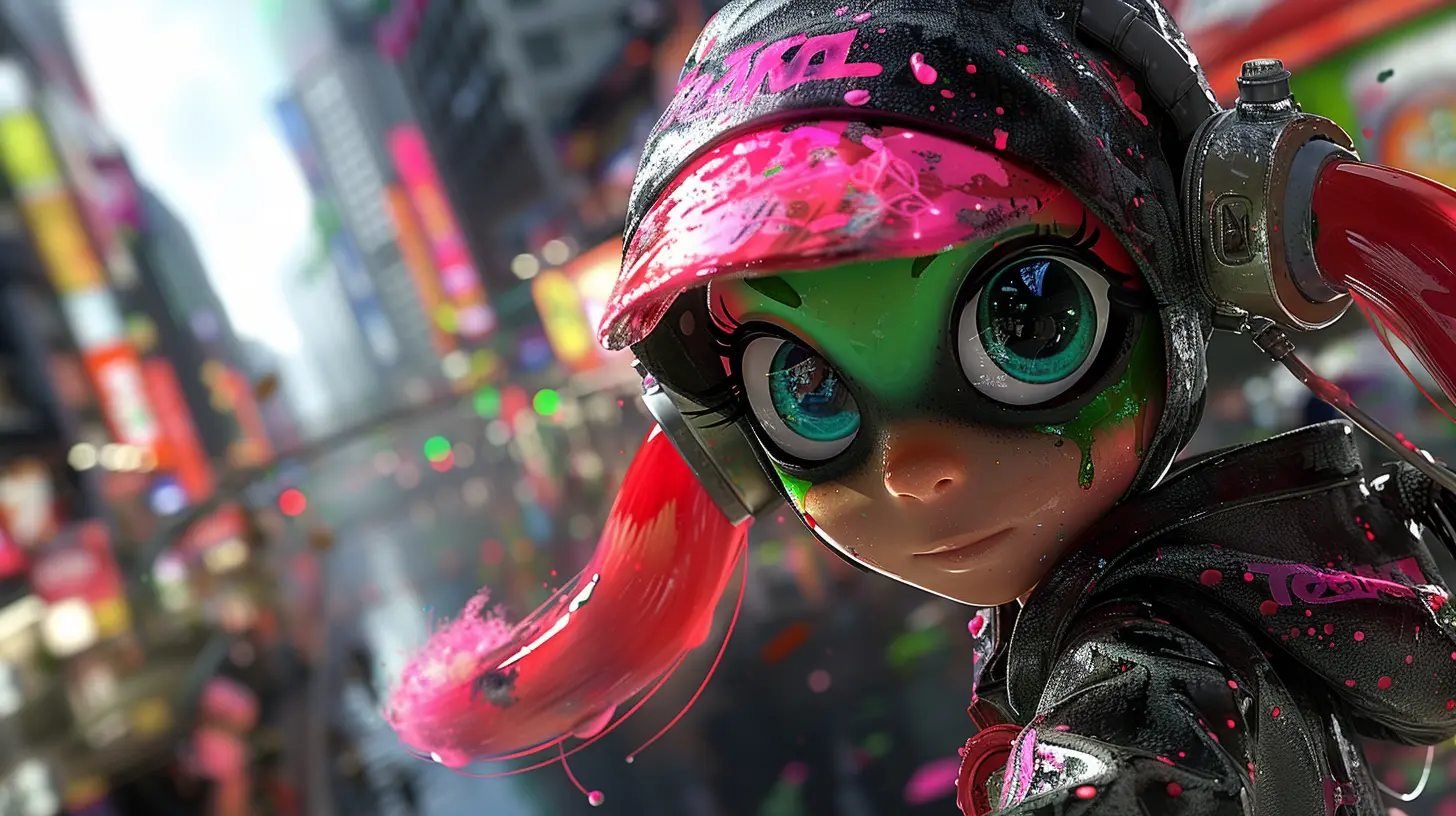
What Even Are Inklings?
For the uninitiated, Inklings are the main playable characters in the Splatoon series. They’re humanoid… sort of. Mostly, they look like teens with colorful tentacle hair and a serious passion for ink-based turf wars. But here's the kicker — they can also transform into squids.Yep. Squids.
They slip and slide through their own ink, swim up walls, disappear into puddles like some kind of aquatic ninja — and do it all while dressed like a streetwear influencer.
But how did these slippery little creatures come to be?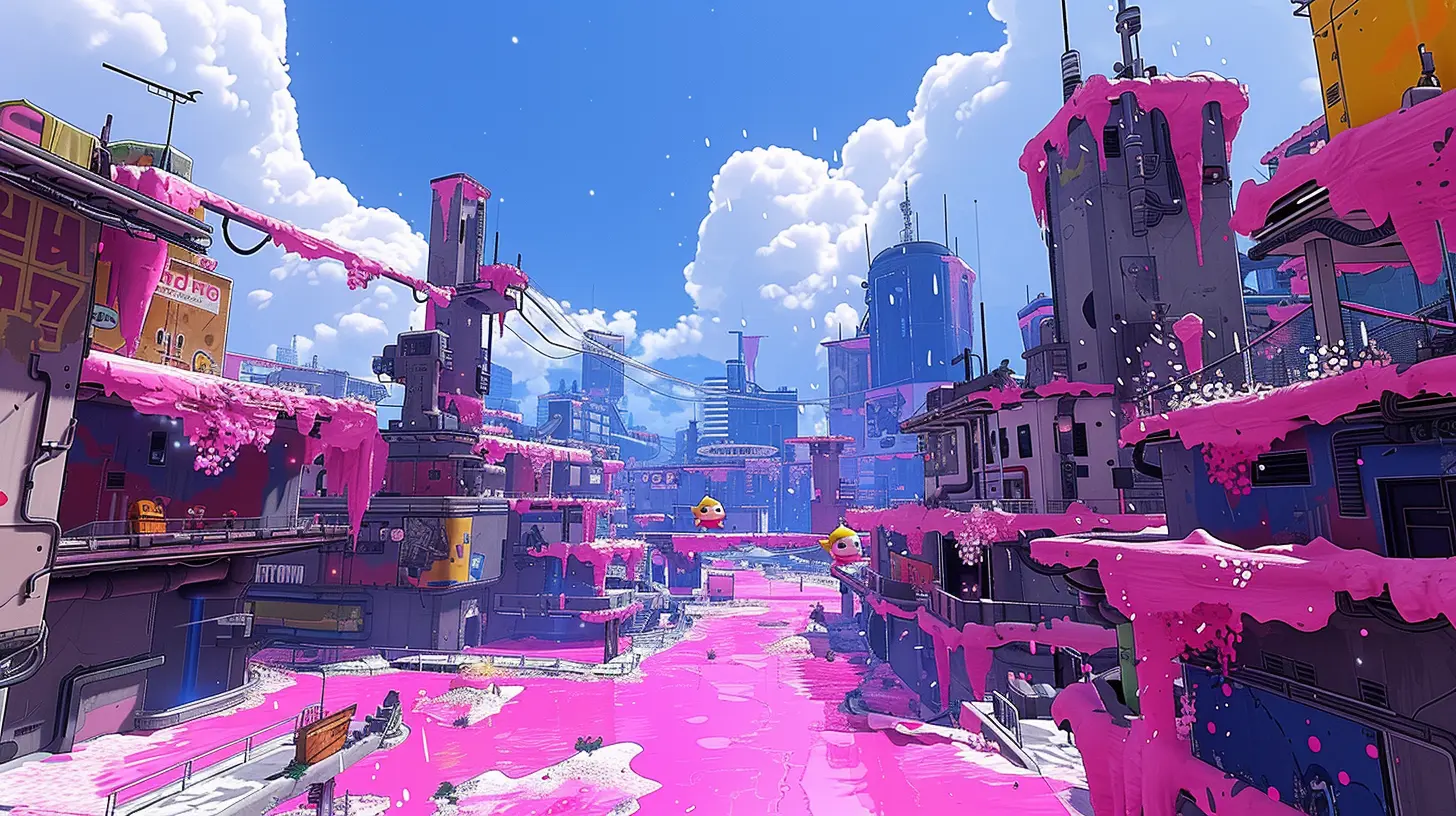
A Post-Human World?
Hold onto your ink tanks, because Splatoon is actually set in the far, far future — thousands of years from now. And guess what? Humans are long, loooong gone.The world of Splatoon is Earth… after us.
According to the game’s official lore (found in scrolls and sunken secrets throughout the series), climate change and rising sea levels wiped out much of civilization. Humanity couldn't keep up. We’re talking total collapse. Our cities drowned beneath the waves. Eventually, humans vanished entirely.
Let’s just pause and reflect on that for a second. Splatoon isn’t just cute fun — it’s Earth after we failed. It’s a party on our graves.
Depressing? Maybe. But also kind of poetic.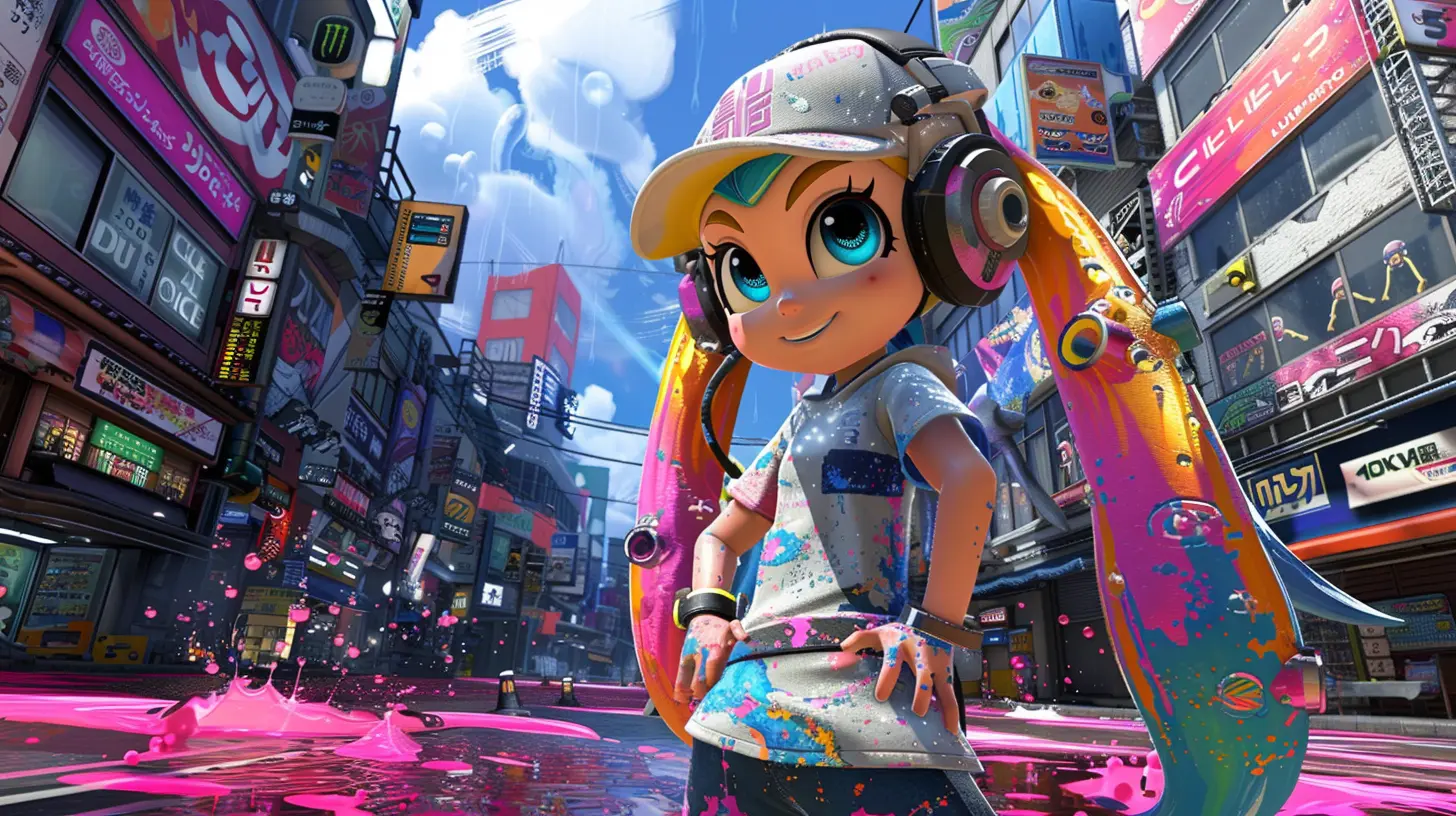
Evolution Took Over
With humans gone, marine life took the spotlight. Over thousands of years, squids (and octopuses) evolved into new intelligent species — enter the Inklings and Octolings.These sea creatures took over the ruins of our world. Our buildings, our tech, our bad habits, our fashion trends — the ocean’s new citizens inherited everything. Honestly, it’s like Planet of the Apes, but cooler and with more neon.
Nintendo designed the Inklings to reflect a teenage culture gone wild: rebellious, trend-obsessed, and constantly competing for territory. But they also hold onto relics of humanity, from boomboxes to video consoles, and yes… smartphones.
So, are they us? Or are they just really good imitators?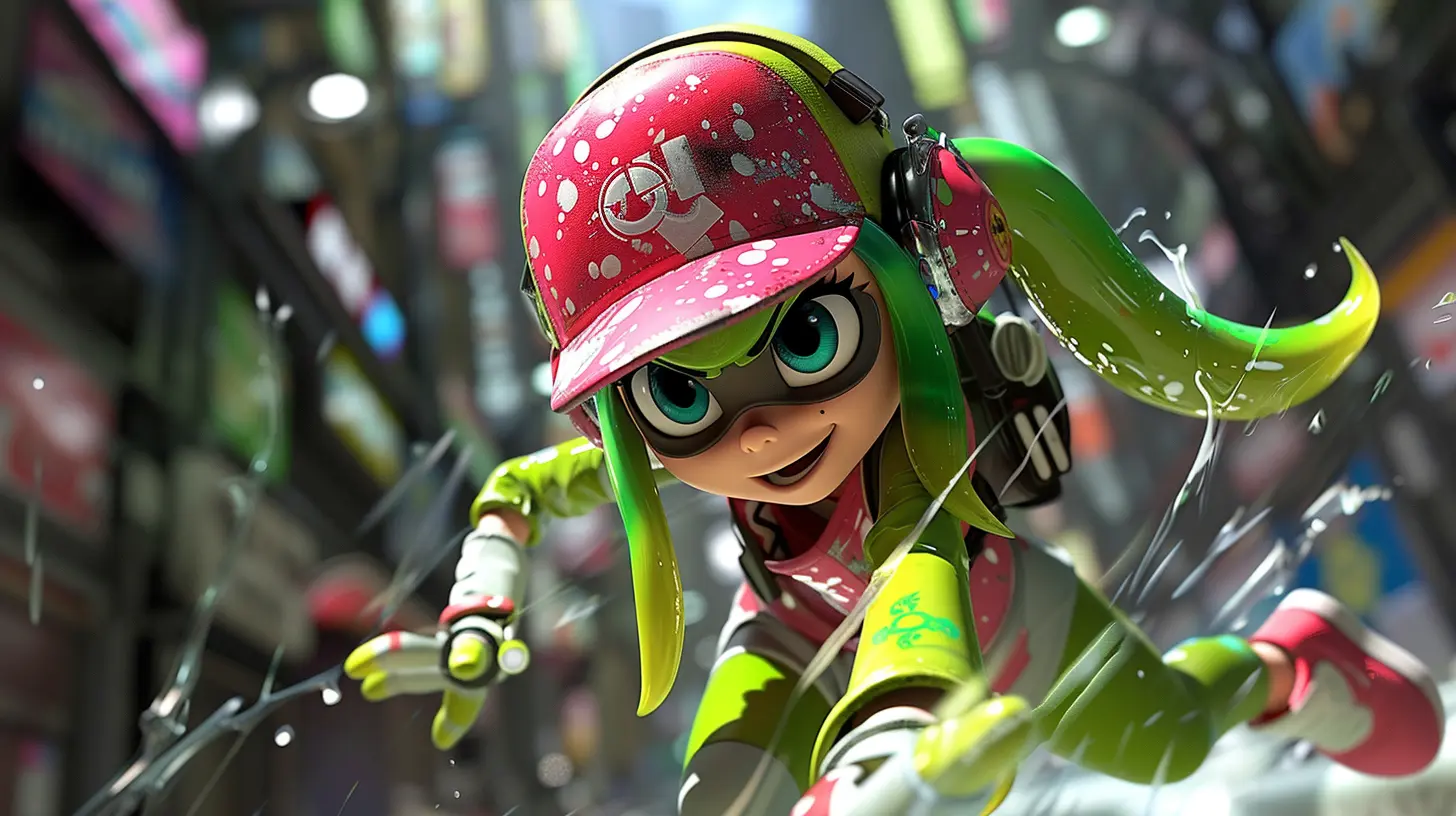
Do Inklings Represent Humanity's Legacy?
That's where things get philosophical.Inklings act a lot like us. They form cliques, build cities, obsess over brands, and even watch weird idol concerts. But the difference is, they’ve adapted to a world we've failed to live in.
They don’t just survive — they thrive in the chaos we left behind.
It’s like they inherited Earth from us… and made it better. Cleaner. Greener (well, aside from the literal ink splatters everywhere). And what’s more — they’ve got a non-lethal combat culture. Instead of war, they battle over turf with glorified paint guns.
Sure, it’s competitive, but let’s be real — it’s way better than actual warfare.
Could that be the future we couldn’t achieve? A society based on expression, color, and friendly rivalry rather than destruction?
Makes you think, huh?
The Science of It All
Alright, let’s nerd out for a minute.Could Inklings actually evolve from squids?
From a scientific perspective, cephalopods (like squids and octopuses) are already freakishly intelligent. They solve puzzles, escape enclosures (Houdini-style), and can even recognize individual humans. Some scientists have called them “aliens of the sea” — not joking.
Given enough time — like, tens of thousands of years — could natural selection and environmental pressure turn a squid into a walking, talking, ink-spraying humanoid?
Honestly, weirder things have happened in evolution.
Take our ancestors. They crawled out of the ocean too. So it’s not too hard to imagine squid-kind evolving to fill the vacuum left after we’re gone, especially if climate change keeps serving planet-wide eviction notices.
What About Their Technology?
Here’s where things get really interesting.Inklings use high-tech weapons, gadgets, and clothing. But they didn't build all of it from scratch. A lot of their tech is scavenged from human leftovers — old circuit boards, mechanical remnants, and industrial ruins.
Sound familiar? That’s basically human history in a nutshell — reusing what came before us.
But Inklings also create. They’re innovators. They've taken our frameworks and reimagined them. Instead of missiles and bullets, they’ve got ink tanks and roller brushes. Instead of tanks, they have giant paint-spraying mechs. They’ve made warfare playful.
Playful war. Maybe that’s evolution’s answer to our violent history?
And their fashion sense? Honestly, Inklings are more stylish than most of us ever were. From futuristic glasses to limited edition sneakers, they’ve turned human vanity into a genuine art form.
So yeah — they’re doing more than mimicking us. They’re remixing what we left behind.
Are They Better Than Us?
Hot take incoming: Inklings might actually be better at being “human” than humans were.They’ve built communities. They preserve history (even if they misunderstand it). They express themselves. They compete, but they don’t annihilate. They even had a Splatfest to debate whether pineapple belongs on pizza.
That’s culture, people.
And let’s not forget — they basically emerged from a world melting under climate catastrophe… and turned it into a playground.
It’s not perfect, sure. There are turf wars, social divisions, and plenty of chaos. But compared to human history? It’s straight-up utopian.
So… Are Inklings the Future of Humanity?
Let’s bring it around full circle.Are Inklings humanity's literal descendants? Probably not. We’re different species with no evolutionary link (unless you believe in some cosmic mutation after the apocalypse).
But are they our metaphorical future? That’s a more interesting question.
They’re what might come after us. A glimpse into a post-human Earth where life adapts, evolves, and thrives in our absence. They carry echoes of who we were — our style, our struggles, our obsession with turf. But they’ve moved beyond our toxic habits.
Inklings aren’t just fun characters to play — they’re symbols of hope. Proof that life finds a way… even if it means squid-kids battling with ink guns.
Final Thoughts: Squid Today, Gone Tomorrow?
So, next time you’re sliding through ink in a heated Turf War, remember — you might be looking at the children of the apocalypse. Adorable, stylish, and maybe even wiser than we ever were.Are Inklings the future of humanity?
Not exactly — but they might just be the future that should follow us. And honestly, there are worse legacies to leave behind than a world of color, music, and cephalopods in streetwear.
Who knew the end of the world could look this fresh?
all images in this post were generated using AI tools
Category:
Fan TheoriesAuthor:

Audrey McGhee
Discussion
rate this article
2 comments
Oberon McGehee
If the Inklings are our future, I expect to see a lot more paintball tournaments and a lot fewer board meetings. Just imagine the corporate world: "Sorry, I can't. I have a turf war!
July 1, 2026 at 2:36 PM
Audrey McGhee
That sounds like a fun vision! A world where creativity and play take center stage could definitely lead to some exciting changes in how we work and collaborate.
Samantha Lewis
This article raises intriguing points about the Inklings as a potential glimpse into humanity's future. Their vibrant culture, adaptability, and unique approach to competition highlight a shift away from traditional values. As gaming evolves, it will be fascinating to see how these themes reflect our own world and societal changes.
May 12, 2026 at 3:47 AM
Audrey McGhee
I'm glad you found the points intriguing! The Inklings do offer a unique lens through which to explore our evolving culture and values. It'll be interesting to see how gaming continues to mirror our society.